
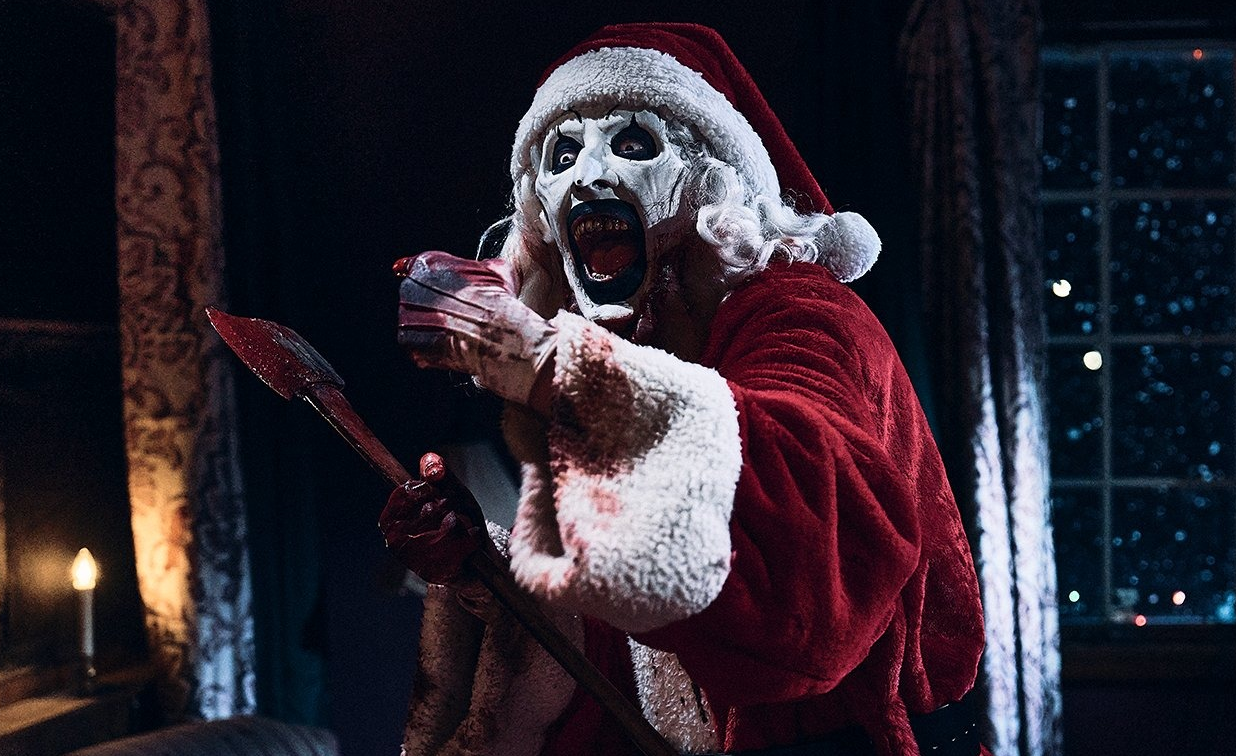
The Terrifier franchise is one that has grown exponentially since it developed a cult following back in 2016. Each sequel has doubled down on the violence, deepened the story and made full use of an expanded budget. This entry follows Art the Clown as he unleashes terror ahead of Christmas Eve, while Sienna struggles to rebuild her life after a harrowing ordeal.

As a longtime horror fan, the sample size of gore-packed films I’ve seen is too great to count, but I’d hazard a guess that Terrifier 3 is the most gruesome of them all. This Christmas-themed slasher is a two-hour bloodbath that takes the best elements from Terrifier and Terrifier 2, weaving them into what may be the franchise’s best entry. For context on my franchise thoughts; the first Terrifier is a B-movie triumph, making full use of every dollar to deliver a horror experience that’s tense, brutal and will make you squirm. As great as it is, it’s very barebones with minimal world building and a focus solely on “how much gore can we get away with?”. Not only does the sequel up the gore, but it introduces the franchise protagonist, expands the lore and sets up supernatural elements that will play a huge role down the line. Alas, the supernatural-heavy ending of that film makes little to no sense. There’s no context to what’s happening and it tarnished the experience for me… that and the movie is too damn long.
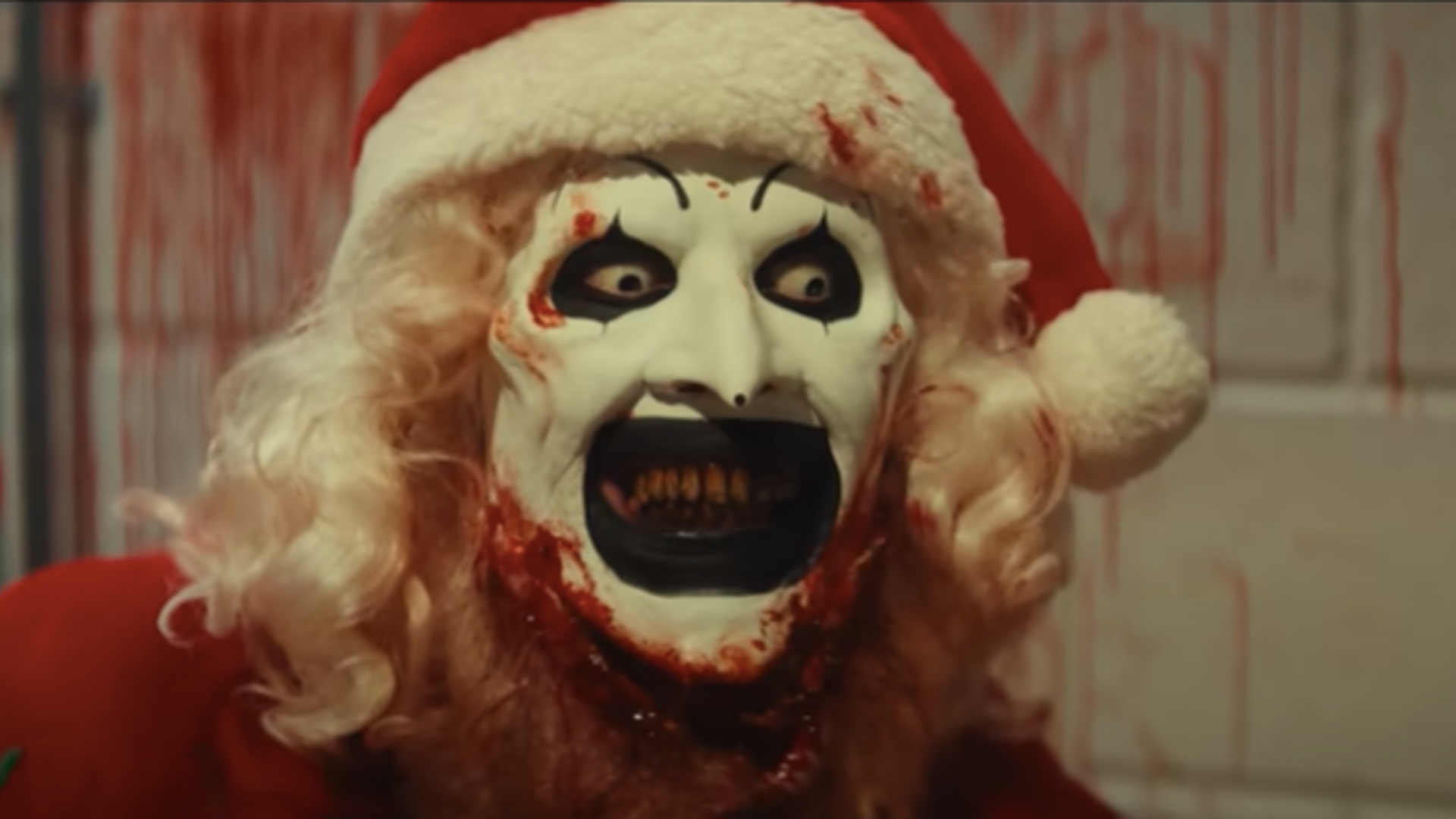
With Terrifier 3, Damien Leone has upped the ante in nearly every way; delivering more blood, more chaos, more violent kills and a narrative that not only works here, but enhances the story of its predecessors. Leone seems to have nailed the franchise’s exact tone – it has the horror-comedy vibes of the Chucky and Evil Dead franchises, only with more chills, blood, guts, gore and extreme body horror. He’s created his own flavour of this subgenre and in turn, birthed a new horror icon. Art the Clown, bought to life by David Howard Thornton with a phenomenal performance, has officially been immortalised as a slasher icon alongside Freddy, Jason and Michael Myers. Granted, his years are young, but his impact on pop culture is exponentially growing with each sequel. His maniacal mannerisms, terrifying appearance and fun, playful attitude make him a unique slasher villain who stands amongst the rest.
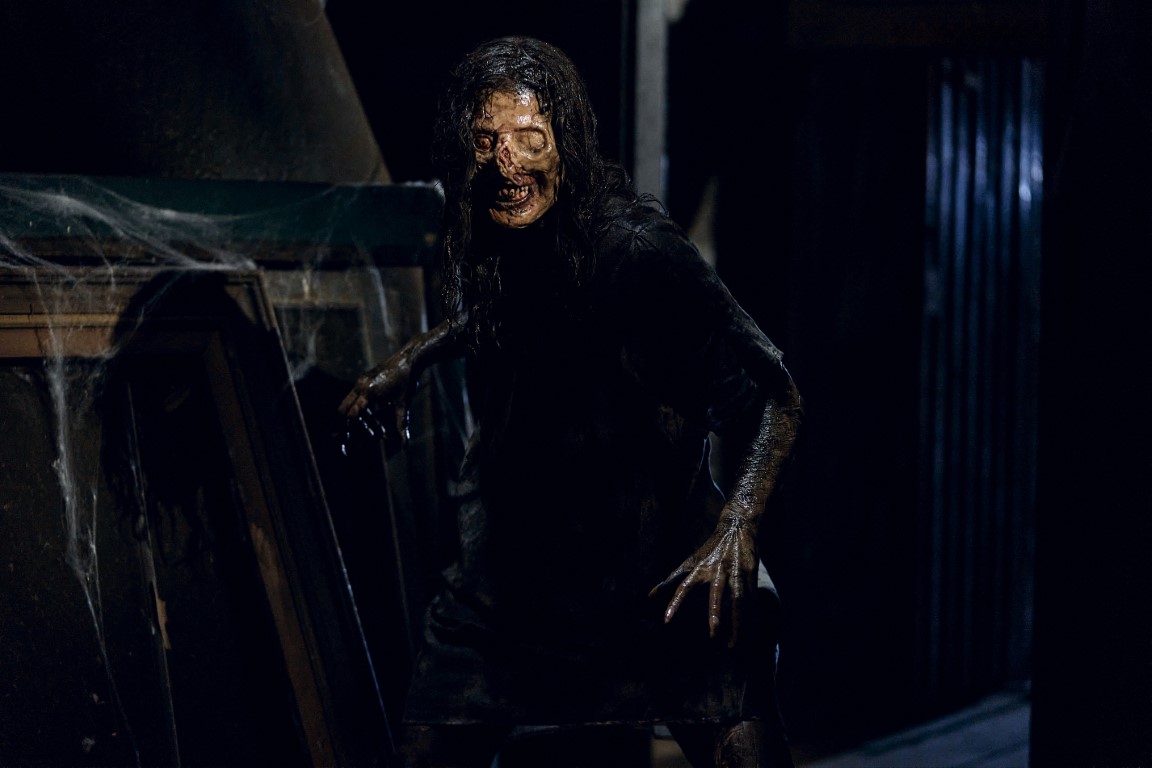
This franchise rose to fame through its focus on gory kills that push the boundary of what can and can’t be shown on screen. The kills are what you come to see and they certainly don’t disappoint. Art the Clown racks up a kill count in the double digits, killing each unsuspecting victim in increasingly messed up ways that could only be the product of a sick individual (the best compliment for a horror director). This distinct approach to horror comes in the extremely graphic nature of the kills – nearly every murderous beat is shown on screen and up close. From limbs being hacked off to organs being exhumed from their homes, it’s a blood-soaked affair that’s sure to delight anyone with a strong stomach. Part of what makes this film so memorably brutal is that no one is safe – no man, woman or child is above being murdered in ways the devil himself would despise. It creates a sense of tension, unease and anticipation, knowing that the next scene will probably end in a pool of red. The kills are also well-spread – it’s not a top- or back-heavy film, with Art splashing the screen with blood at very regular intervals.
With the amount of blood and guts being spilt on screen, and in close-up shots, it would be stupid to rely on CGI. It would be obviously fake and detract from the terrifying nature of what’s happening on screen. Thankfully, there’s a heavy reliance on practical effects for every blood-soaked murder scene, making use of dummies and prosthetics to bump up the realism. It does incredible things for the overall immersion of the kills, making them much more violent and realistic in a silly and obviously fake kind of way. Despite the budget of this film eclipsing that of the first one, it’s still insanely small, and that’s for the better. It forces Damien Leone and the creatives behind the practical effects to get creative with what they have, maintaining that B-movie feel despite now receiving a global cinematic release.
Before jumping into the biggest narrative element I loved, I’ll get the moments that could’ve been tighter out of the way. First of all, it’s clear that in order for Leone to tell the narrative of this sequel, he needed to put certain characters in place and move them around following the events of the second film’s ending. This wasn’t handled quite as smooth as it could have been, resulting in the first 20 minutes or so being a little choppy. The pace and structure is a little odd, but beyond that initial setup it’s pretty smooth sailing. That is until one small moment late in the film where it feels like a scene or two is missing. It’s not a huge deal, but one moment we’re in the second act and in the next scene it’s like we’re half way through the third act. Other than those two moments, the narrative is fast paced and easy to digest with plenty of chaos along the way.
My favourite element of this narrative happens to be the worst element of the second film – the supernatural lore. This movie does an incredible job at fleshing out the supernatural backstory, explaining the rules of this world and providing much needed context for everything that went down in the second film’s climax. The second film is better thanks to the brief and subtle explanations this entry provides as to what all the symbolism means. Granted, there’s still questions, but now it’s coming from a place of mystery, suspense and excitement as opposed to confusion. The scope of these events has been expanded beyond anything I thought the franchise would become, and now I’m in a place where I’m excited to learn more about the layers of this world.
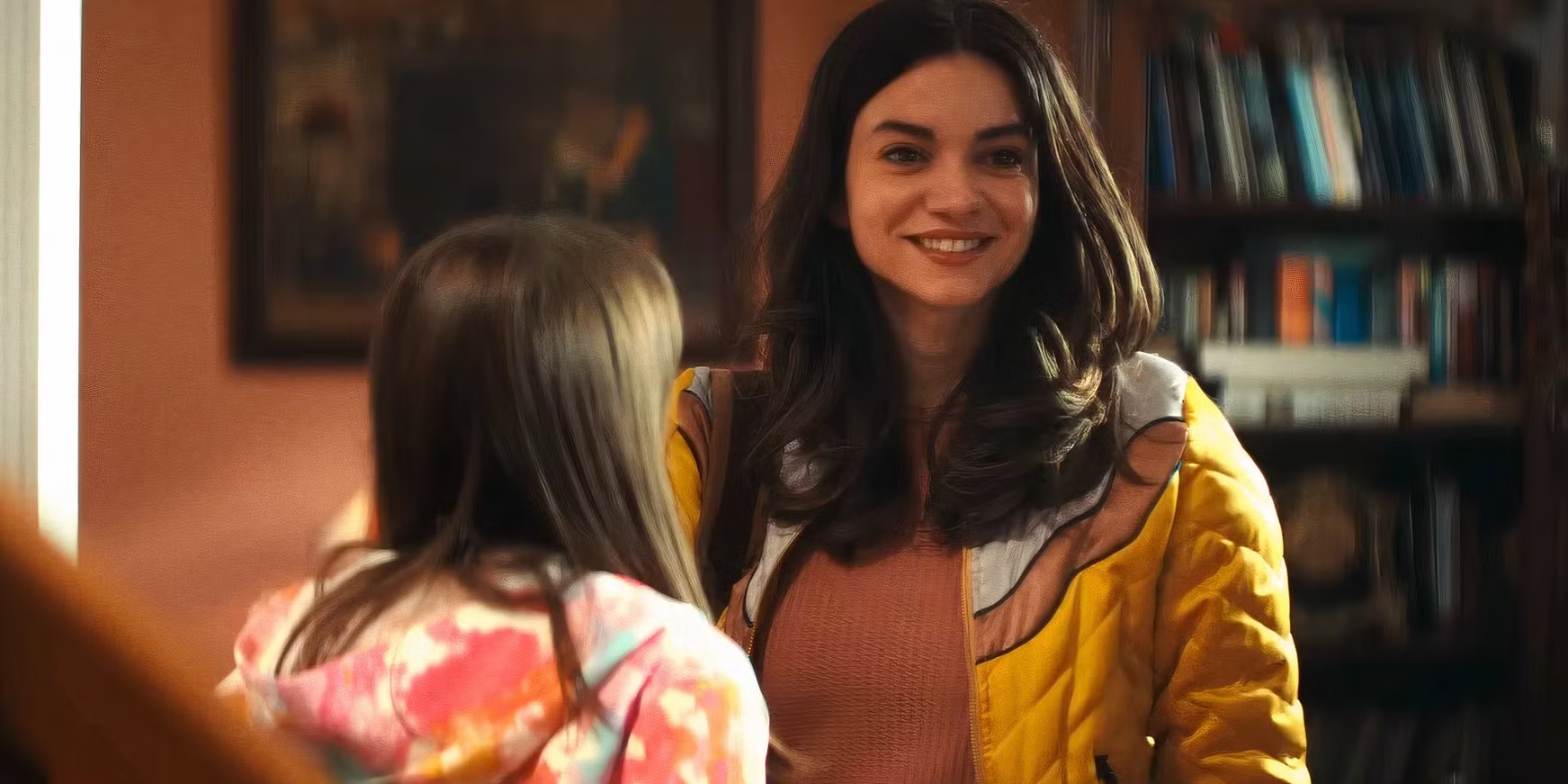
David Howard Thornton’s performance as Art the Clown is one of the most fun, hilarious and terrifying to watch since Robert Englund’s Freddie Krueger, and he’s doing it without any dialogue. The flamboyant eccentricities he injects into the role add so much character and personality to the supernatural villain. He’s brilliant when it comes to bringing the laughs, and is just as exceptional with the scares. There’s many moments where he switches from all smiles to a deadpan stare on a dime, instilling an instant chill in the air that darkens the tone. Opposite Thornton is Lauren LaVera, who returns as our protagonist Sienna. She’s grown wonderfully from her appearance in Terrifier 2, really delving deeper into the character and delivering a strong, loveable performance that makes rooting for her an absolute breeze. At this point, she’s as synonymous with Terrifier as Jamie Lee Curtis is with Halloween – a pairing I hope we never have to say goodbye to.
In the end, Terrifier 3 is a better Joker and Harley Quinn movie than Joker: Folie à Deux… just rubbing salt in that wound. Damien Leone understands exactly what this franchise is and why people are turning up to see it, delivering on every core element and exceeding expectations. With horrifyingly brutal kills, blood galore and a fast-moving pace, all wrapped in a deeply engaging story with gripping supernatural lore, this is the best entry in the franchise. Even better, it also classifies as a Christmas movie, meaning it could make for an exciting festive rewatch.
8.4/10

 Everything Movie Reviews
1 Comment