
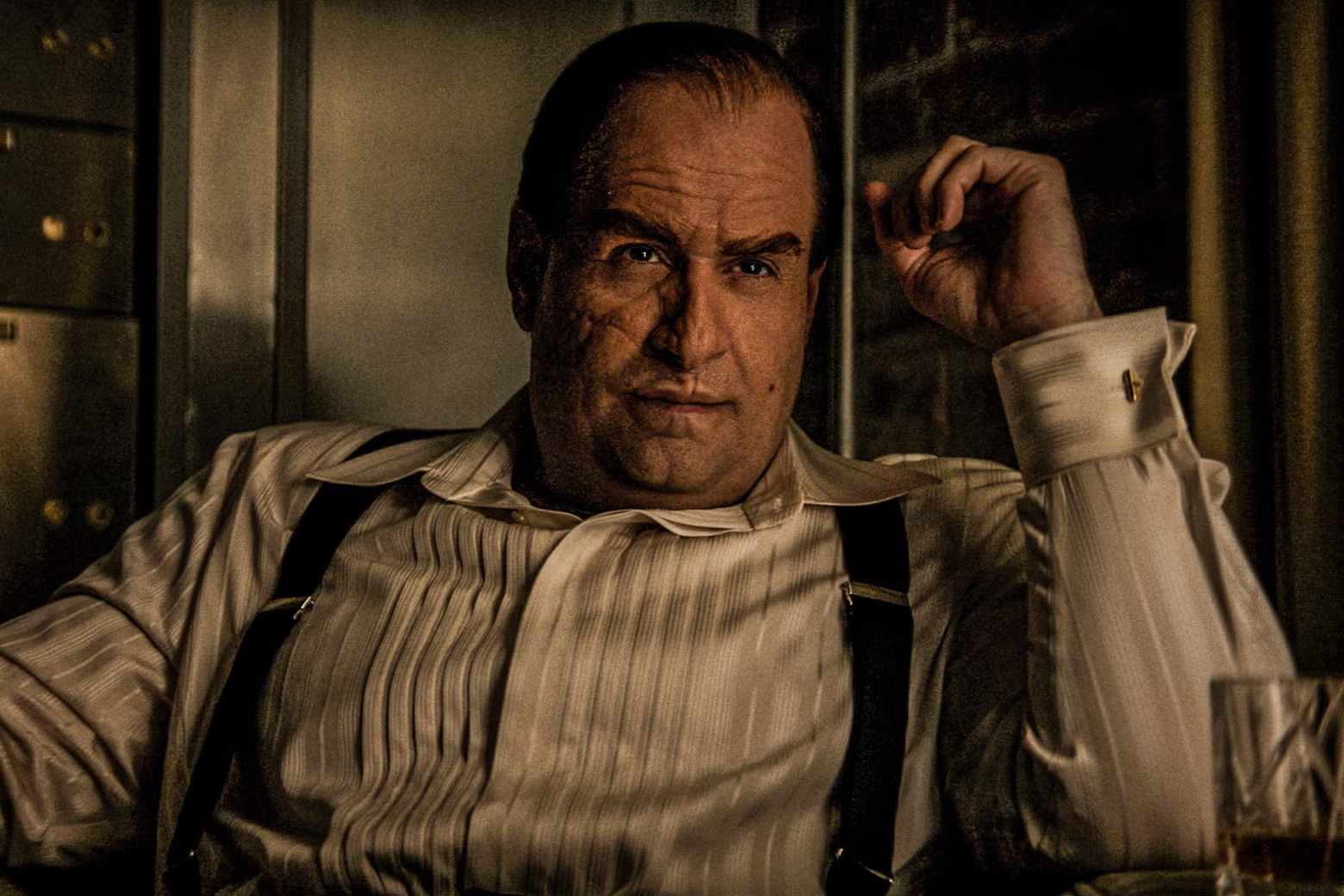
In expanding the universe of Matt Reeves‘ The Batman, we’ve shifted focus to the criminal underworld of Gotham and put The Penguin in the spotlight. With Colin Farrell returning, we follow Oswald Cobb’s quest for power and control against the Falcone and Maroni families.

The Batman introduced a world where the criminal underworld was thriving, and now The Penguin gives us a deeper look through the eyes of its titular villain. This series doesn’t shy away from the dark, gritty nature of the universe, if anything it doubles down and shows off more of the brutal violence that Bruce Wayne wouldn’t exact. From the get-go this series is a tense affair, with every scene drenched in an air of suspense and gripping tension with no clear indication of where things are heading. It locks in with a pilot episode that shocked me and nearly all who watched it with how utterly brilliant it was – it’s one of the strongest pilot episodes of the last few years. The writing in that episode alone is flawless – the foreshadowing is subtle and rewarding, the character work that’s accomplished in an hour is astounding, and it sets up a path for the main players in the story. From there, the quality never dips, with one of my favourite elements being its unpredictable nature. At no point through the series did I know how things would progress – every time I thought I could see a path, they’d sweep the rug out and go in a whole new direction. The writers hid the big narrative shifts so well that every episode had moments that shocked me as much as the characters, making the wait for each new episode all the more agonising.
The narrative itself is outstanding – there’s a lot of moving parts and the writers do a great job at making every beat easily digestible. Each episode is packed with content, adopting a fast-moving pace that hits all the big action and dramatic beats, while not forgetting to spend time fleshing out its characters. If you loved the weight, tone and pace of The Batman, this story takes a lot of cues and shares a similar yet unique approach. If not handled correctly, focusing on villains that are capable of truly despicable deeds could mean you can’t root for the protagonist, and that could in turn put a sour taste on the series. Thankfully, the writers have worked wonders in painting Oswald in a bit of an empathetic light, fleshing out his backstory and personality in a way that makes him very charismatic and likeable. He may be a great jokester, but at the same time he’s a bad person, and they make sure to remind you as such at every turn so you never forget that. There’s a real love-hate relationship between Oswald and the viewer… a relationship that ebbs and flows between the two throughout the season. In saying that, a series full of villains puts everyone on equal ground, and there’s many points in this series where you’re rooting for some of the other well-written characters to succeed.
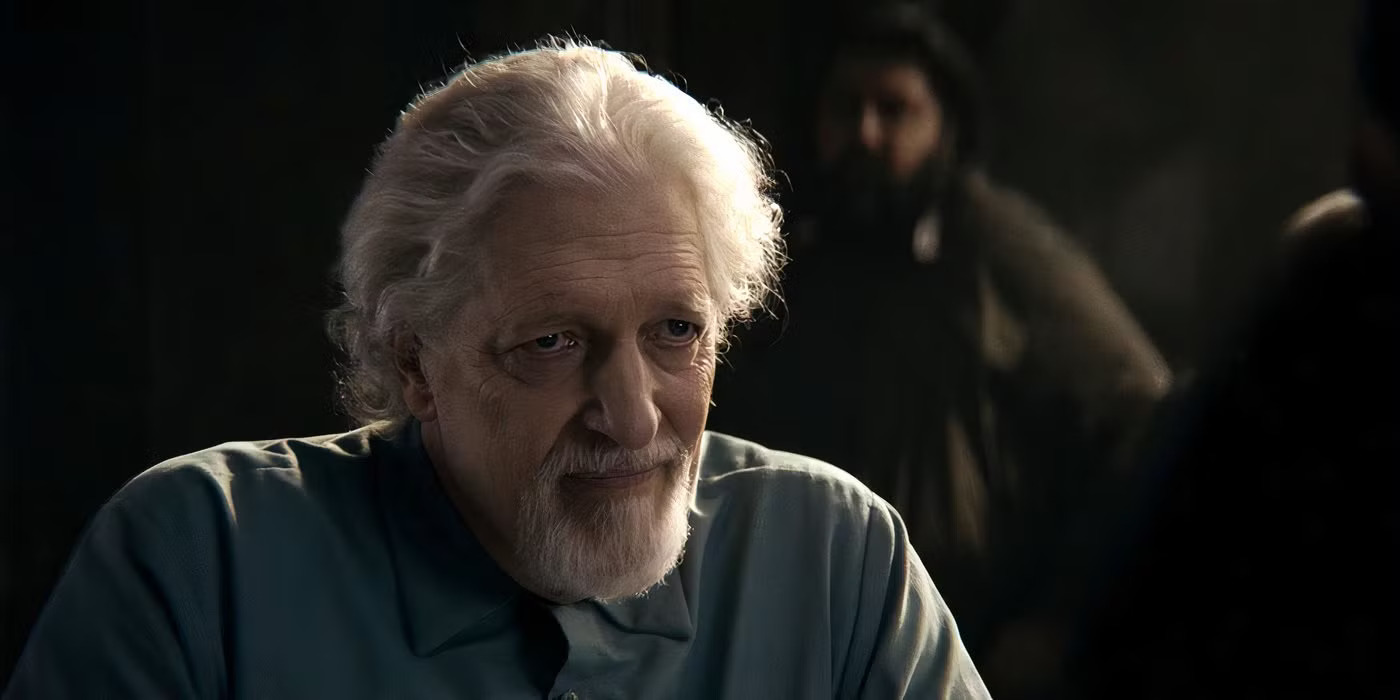
The series might be called The Penguin, and the titular character may have the most screentime, but his journey is by no means the only one to keep an eye on. Sharing the spotlight with Oswald is Sofia Falcone, a deeply compelling character who has her own fully fleshed out arc… and even an entire episode dedicated to her story. Sofia acts as a second protagonist of sorts – there’s a tonne of emotion tied to her backstory and a few instances in which her arc is a step above Oswald’s. While this could be a competition between who does it better, the fact of the matter is that the sequences in which both characters share the screen are some of the series’ best. Having these two impeccably well-written characters bounce off each other is a wonderfully entertaining sight. Much like Batman and the Joker, they complement each other really well and each make their counterpart’s narratives more impactful. Then there’s characters like Sal Maroni and Victor, who also have a memorable presence that extends throughout the season.
The characters are one thing, but the performances behind the roles are what really take this series up a few notches. Colin Farrell disappears into the role of the Penguin both physically and in terms of his performance. If you didn’t reveal it was Farrell under all that makeup, it would be impossible to tell. The way he moves, changes his voice and adds subtle mannerisms in his performance enhances the level to which he vanishes into the role. Farrell’s performance is overall phenomenal, with gripping dialogue delivery that locks you in through tense conversations and lengthy monologues. He also gets you to care and understand the character on a level far deeper than just your typical mob boss. Cristin Milioti, whose presence in the show was news to me, has delivered what is undeniably the best performance of her career. It feels like she was made to play a villain as she is absolutely terrifying to watch. While she has some wonderful dialogue-heavy scenes, it’s what she does with her demanour and subtle facial expressions that are the most impactful at selling us on the chilling nature of her character. Then of course, the moments in which Farrell and Milioto go toe to toe are mesmerising.

Rhenzy Feliz debuts as Victor and is immediately loveable. He has a fantastic role and is given the room to grow his character, becoming the beating heart of the series’ emotional elements. Then there’s Deirdre O’Connell, an actor who seems like she’s going to have a role largely limited to the background and not make a huge impact. But boy was I wrong. In playing Francis Cobb, she single-handedly steals the show across a number of scenes, especially late in the season. She brings these powerhouse acting chops to heighten the emotional weight of the story and play off her character’s relationship with Oz. It’s a remarkably impactful performance for someone with such limited screentime.
While the series is heavy on dramatic tension and street-level chaos, it doesn’t omit action sequences and gritty violence. As the Penguin puts himself in all sorts of tough positions and the gang war escalates, it makes way for plenty of action set-pieces from high speed chases to close-quarters shootouts. There’s a great deal of exciting action within every episode, ensuring a balanced ride that never dips in quality or gets into long drawn-out sequences. Everything that happens has a purpose to it, and that goes back to the exceptional writing. The dialogue across the board is a work of art – not a single line is wasted and every lengthy monologue strikes an immediate chord with the audience. It takes itself seriously, enhancing the tension, but also doesn’t forget to have a little tongue-in-cheek fun here and there – particularly through the Penguin’s snarky one-liners. The series strikes this perfect balance of fun, horror, suspense and drama, offering plenty to love for fans across all genres.

In the end, The Penguin continues the legacy of Matt Reeves’ The Batman, and does so by matching the 10/10 score I bestowed upon it. It’s visually stunning, narratively gripping and packed with remarkable performances that will see plenty of attention come Emmy season. It’s a brilliant, well-written piece of TV that never falters and nails all its biggest moments. If you’re looking for a story that will surprise you, this is the perfect example. There are twists and turns aplenty that greatly shift the character dynamics time and time again, making for a rewarding watch that keeps you on your toes. As well as telling the story of the Penguin, it’s also a gateway for building hype for Matt Reeves’ sequel, which this does phenomenally well.
10/10

 Everything Movie Reviews
1 Comment