
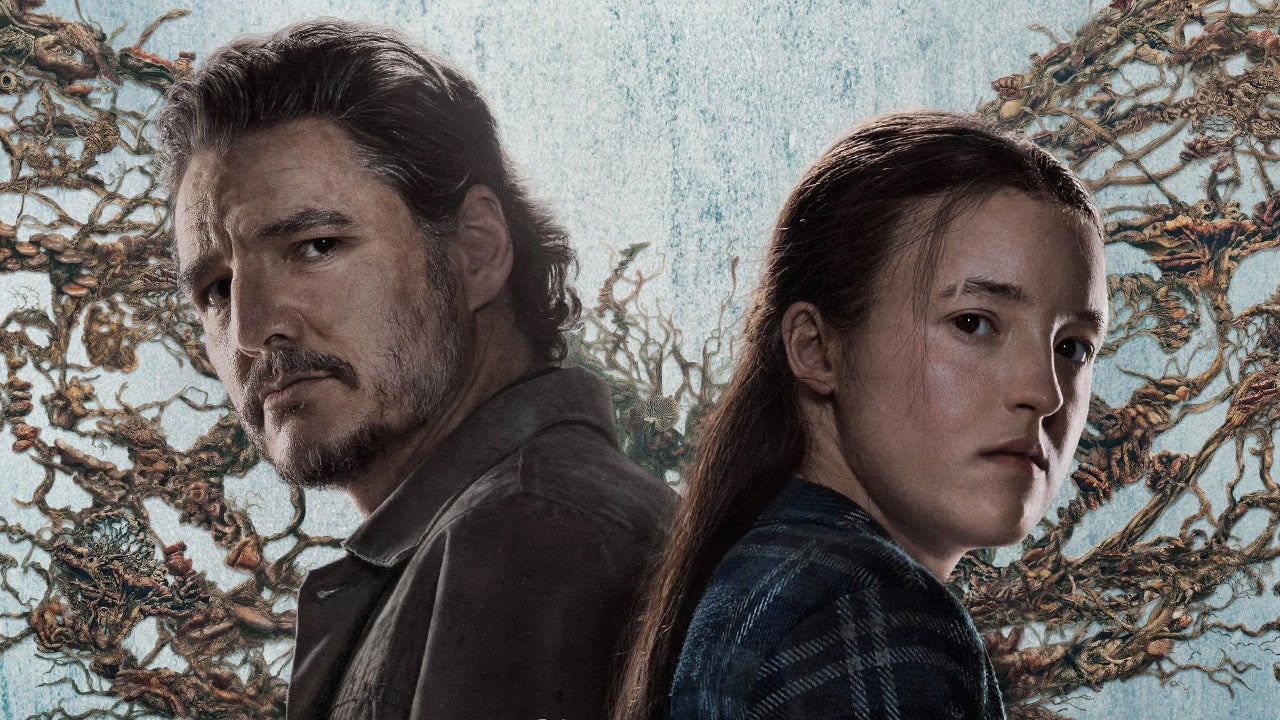
Following a faultless debut season, The Last of Us has returned for a season that’s sure to test even the most experienced of TV fans. Joel and Ellie’s journey continues as they attempt to move on from the events of Salt Lake City and come face to face with a new threat in Abby.
To put my views into context – I was excited for the first season because of how perfectly primed the game was to be translated into a series, right down to its structure. In contrast I was excited for this season because I had no idea how Neil Druckmann and Craig Mazin could adapt a game that’s structure doesn’t lend itself to TV. It turns out they didn’t make many big structural changes and largely stuck to the game’s sequence of events – a true double-edged sword. While the approach allows them to preserve the game’s biggest moments as surprises, it leads to the season’s biggest flaw – the flow.
There’s no secret this game is a nightmare to adapt, and we see this in a season that – while featuring phenomenal moments and extended sequences of greatness – struggles with how it flows between its biggest scenes. It’s tough because while I feel like the emotional impact of the story is greater here than in the game, the pace and flow fluctuates too much with each episode. Sometimes it’s gliding smoothly and sometimes it’s hitting these soft resets on the journey that mark unceremonious breaks in tension. To be fair, I believe Druckmann and Mazin have executed this season as brilliantly as they can given the source material’s structure, but getting it perfect was always going to be an uphill battle. Especially since it’s missing the second half of its story – so much meaning and impact is pending the release of season three (and four).
The flow of events being my only negative from the season means there’s plenty of exceptional, poignant writing across each episode. The essence of the series hasn’t been lost in that it’s a deep, character-focused narrative that puts its relationships at the forefront and tells relatable human stories. Ellie and Joel’s relationship is yet again a major focus, carrying the brunt of the series’ emotional force and lending itself to the most compelling scenes. There are soul-crushing sequences aplenty throughout the season that showcase the strength of writing not only in these episodes but across the first season. What I love most is that while we’ve grown to love these characters, they’re not without their flaws. They make mistakes and we question controversial decisions, but it shows that at the end of the day, hero or villain, they’re human. This season especially nails the moral complexity of so many tough choices, tying heavily into themes of revenge that will become all the more prevalent.

Joel and Ellie’s relationship might be the beating heart of the series thus far, but the torch is spread wider through this season as we now have more main players in the story. There’s time dedicated to establishing relationships between Joel and Dina, Jesse and Ellie, and specifically Ellie and Dina. All of these connections are essential in creating a thriving narrative, and they’re all very well executed. Having Neil Druckmann on board proves its worth with each and every episode – his understanding of the characters he created is immense, and the way he fleshes them out for TV with help from Craig Mazin is a masterclass. As someone who lived these moments in video game form, it’s wild to think that this season’s big moments are nearly all more impactful here. Whether they’re translated with 1:1 accuracy or elevated for the medium, having an actor in place of performance capture is an invaluable upgrade.
Speaking of actors – the performances across the board are just as superb as they were across the first season. There’s nothing quite like the chemistry of Pedro Pascal and Bella Ramsey – their bond is what drives the entire narrative of this season and it’s felt through every moment. The scenes they share are undoubtedly the season’s highlights, making grown men cry with the emotional rollercoaster their relationship is sent through. Pascal is a brilliant actor and he’s able to do so much with so little. Sometimes it’s just a look, a smirk, a single tear and it speaks volumes of his performance. Ramsey has really grown into the role of Ellie and made her even more her own. There’s slight deviations with the way she portrays the character, but I love the changes for the journey she’s on. This Ellie, while different, still captures the essence of the character and what she stands for in the narrative. Ellie makes some questionable choices, but it’s Ramsey’s performance that beautifully sells every emotion she’s experiencing through every big moment.
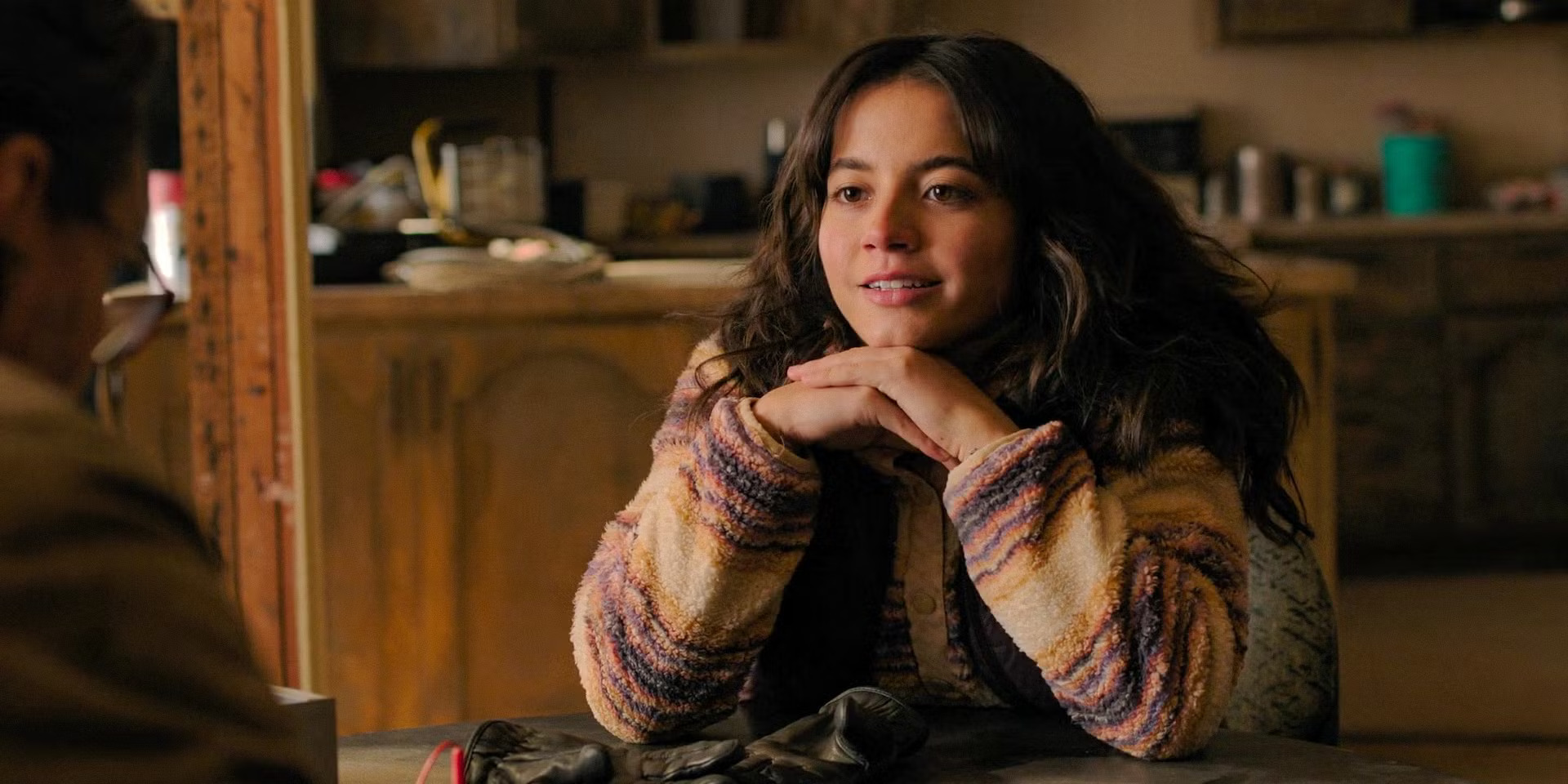
The newcomer with the most screentime is Isabela Merced (Dina), and what an incredible series debut. From the very first episode her charisma and charm is infectious, immediately making her a loveable protagonist who contrasts and complements Ellie’s personality. Merced and Ramsey share this instant chemistry that only strengthens as the season continues, making their respective arcs deeply engaging through every action and dialogue sequence. This season also sees the inclusion of Young Mazino (Jesse) alongside minor appearances from Catherine O’Hara (Gail), Robert John Burke (Seth), Jeffrey Wright (Isaac) and Kaitlyn Dever (Abby). I need to briefly highlight Dever’s presence as Abby, because while she has very limited screentime, the impact she makes through just a couple of scenes is an incredible testament to her acting ability.
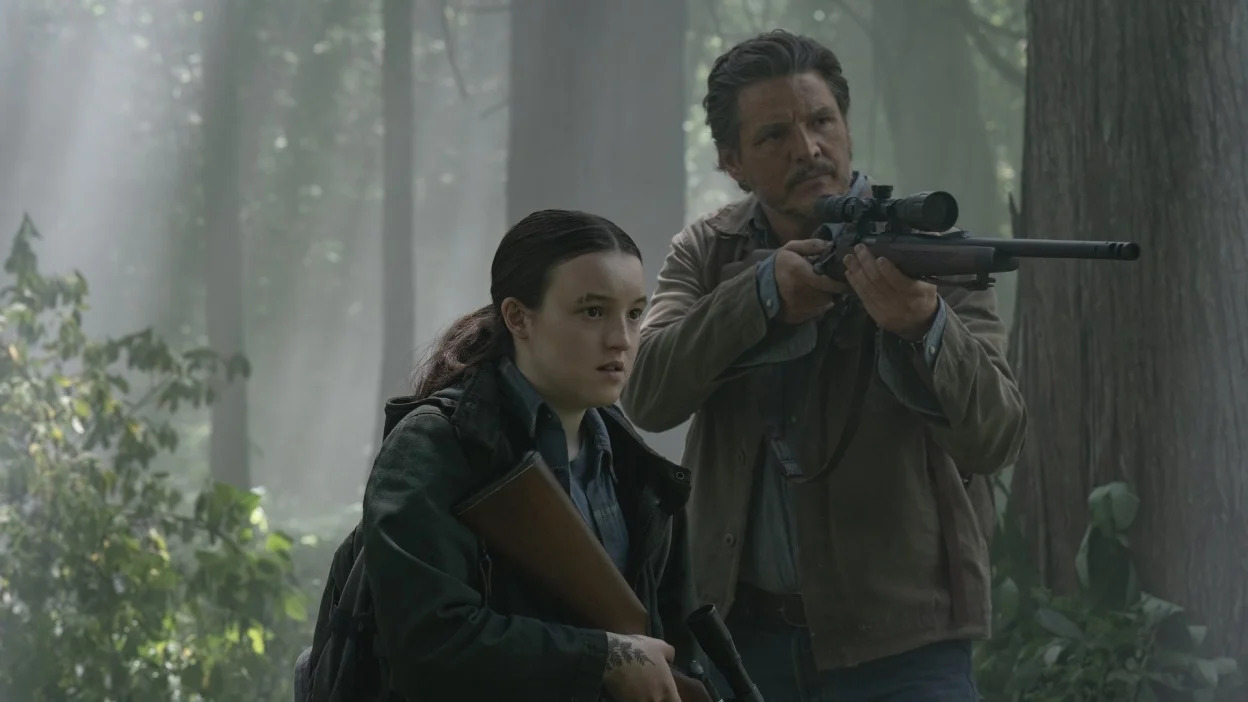
The Last of Us may be focused on the emotional journey of our characters, but this is still a world swarming with Infected and warring factions, and the action in this season delivers. When it comes to focus on the Infected, there’s even more variety with the action than in its debut season, despite the moments being few and far between. Evolutions in the infection allow the series not only to highlight the largest-scale action sequence to date, but also to showcase the most tense and terrifying horror elements so far. The ability of this series to switch from calm to chaos at the drop of a hat is incredible. So many of the most tense sequence happen upon our characters in a heartbeat, so the show’s ability to use atmosphere and score to immediately instill a sense of fear and suspense is a major highlight. Plus the fact that so much time is spent fleshing out the characters only heightens the edge-of-seat tension as you genuinely feel like anyone could be offed at any moment.
Tension with the Infected is one thing, but the humans are still more terrifying than any of the Infected. It’s that fact that I’ve always loved about the game and similar types of stories – they really help ground the narrative in a world that’s far beyond our own. This season sees the introduction of the WLF and the Seraphites, warring factions that each have a major presence in the setting of the season. For now their presence in the story is pretty limited, but the series does some interesting things with how it teases that there’s complexity to both tribes. To us, they’re the bad guys, but at the end of the day it may not be so simple.
One last element I want to note is the cinematography. The first season’s visual effects blew me away – there was a beauty in the grittiness of the world and I was constantly captivated by each and every sequence. This season is still breathtaking to look at and regularly makes you forget that the world you’re looking at isn’t real. There’s stunning interior sets that are poignantly captured alongside enormous wide shots that capture the scope of the narrative. I will say some of Craig Mazin’s “Chernobyl” influence is a little left behind as the show moves away from highlighting the history of the world in favour of showcasing the future. It’s not a criticism as it’s just a byproduct of the story, but I do miss the ominous nature of some of those pre-outbreak sequences.
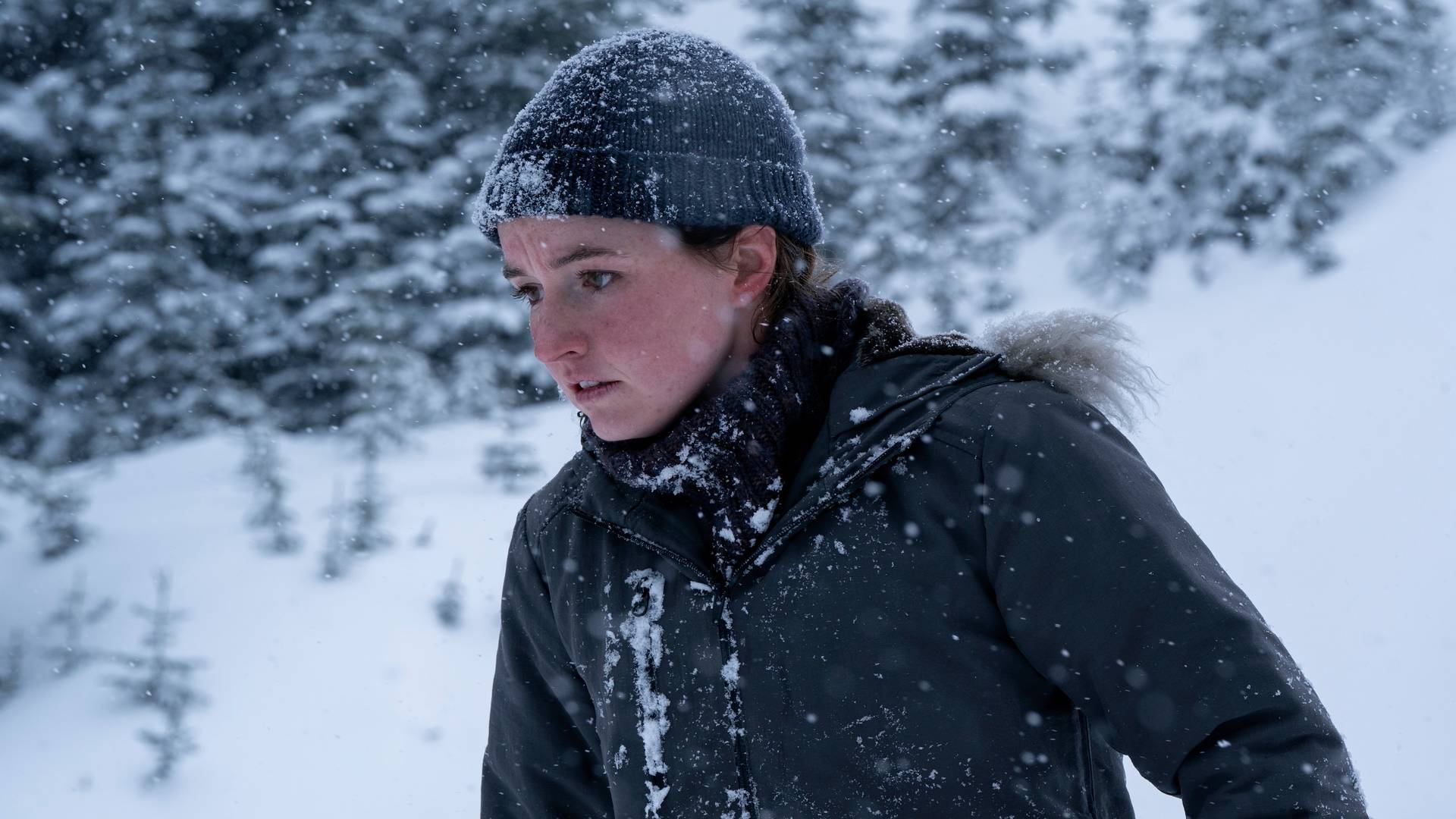
In the end, The Last of Us has stood in the face of a tough-to-adapt script and pulled it off in a way that continues the series’ path to greatness. Ripe with action, tension and emotion at every turn, this season is a rollercoaster for fans of the game and show alike. The flow of the season might have some jarring shifts between episodes, but they’re largely unavoidable consequences of a narrative that challenges the status quo. There’s no doubt the content of this season, along with its climax, are sure to ruffle a few feathers – but it’s only one part of a much larger narrative.
9.4/10

 Everything Movie Reviews
1 Comment