
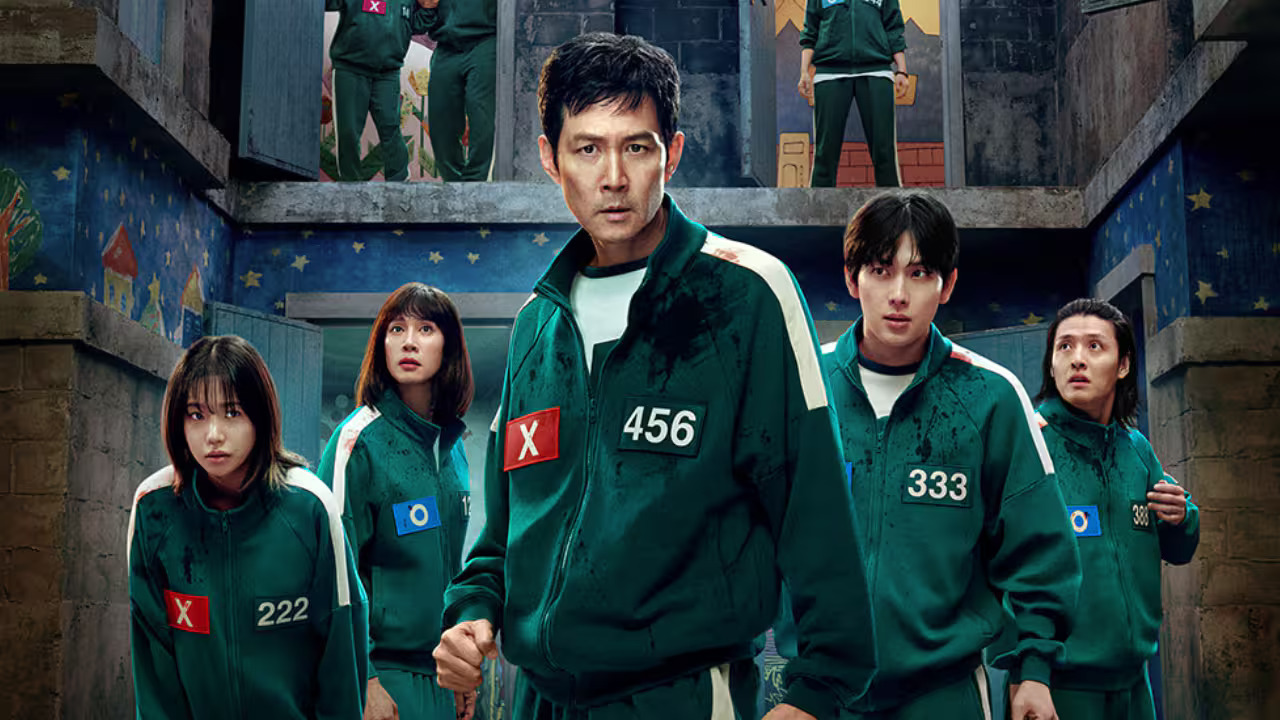
After taking the world by storm with a phenomenal first season, then following it up with a mediocre (at best) second season, the grand finale of Squid Game is here. While it’s called season three, it’s really season two part two thanks to a creative decision that has done the narrative absolutely no favours.
Last year the second season failed to impress by retreading familiar ground, not fleshing out its unlikeable characters enough and opting not to focus on the more intriguing story happening off the island. While this season is an improvement on the last, it still suffers from all three of the above points because it’s nothing more than a delayed continuation of those events. By splitting the episodes across two seasons, this one started on the back foot as any momentum in tension created by the finale’s revolution is stripped away. It’s playing catchup from the drop and needing to re-establish that sense of tension, something that doesn’t effectively take hold until the second episode. Once the suspense and gripping tension associated with the games is reinstated, the season picks up to an extent. The games themselves are very effective in creating gripping, edge-of-seat thrills and you never know who is going to make it. The Hide and Seek game specifically is a masterclass in using chaos and mayhem to create tension and uncertainty in who will survive. The subsequent games are fun and full of violence but fall into the trap of repeating familiar beats time and time again.
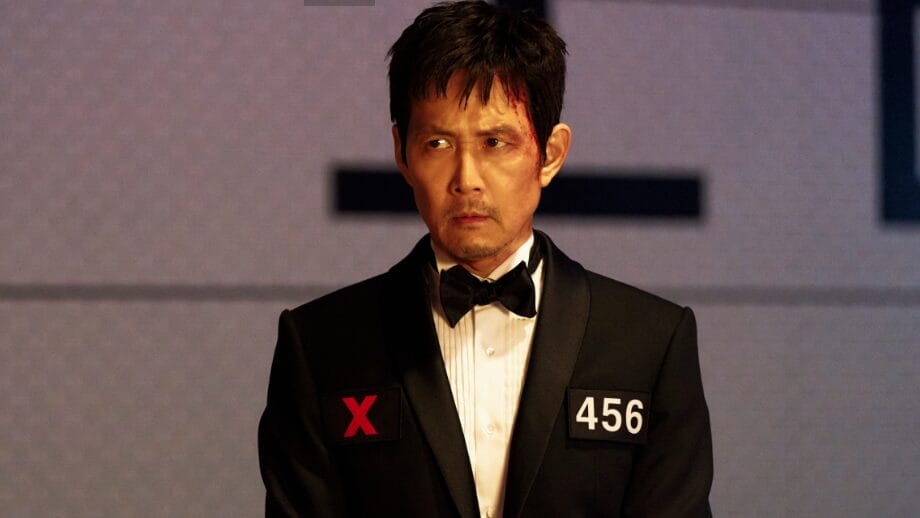
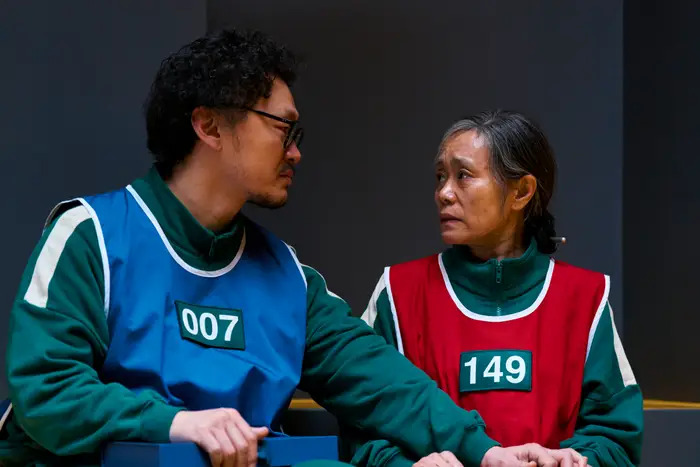
While this season does a better job at instilling a sense of tension, intrigue and stakes, it still fails in establishing an ensemble of likeable characters. Some players in the game have a redeemable quality or two, but for the most part I didn’t care about any of them due to their lacklustre setup across season two. Outside of Seong Gi-hun (Lee Jung-jae), the game players all feel like collateral – there’s uncertainty in who will die, but no real care associated with that. It’s disappointing because the character work in the first season was incredible, while everything after that feels second-rate. While the characters in the game leave more to be desired, it’s those out of the game who have the more impactful arcs. In-ho (Lee Byung-hun) continues his role as the lead villain, and while he doesn’t have a considerable amount of screen time, he’s still an intriguing personality and brings greater depth to the story. Kang No-eul (Park Gyuyoung) returns to give a face to the masked Squid Game employees and her arc is another that shines through the season. The key takeaway here being the most interesting characters (minus Gi-hun) were all situated outside the games.
This takes us to talking about Hwang Jun-ho (Wi Ha-joon), the most criminally underused character in the entire series who was part of the best subplot spanning seasons two and three. The only problem – his entire arc is cast to the wayside and limited to maybe five minutes per episode in favour of focusing on the repetitive games content. The opening two episodes of season two were exciting as they indicated the series would be exploring new territory with a narrative centred on events off the island. Getting to see Jun-ho lead an investigation and search for the island set itself up to be a blast, breathing new life into the series. However all that is thrown in the bin when Gi-hun opts to rejoin the games and Jun-ho’s entire arc is left drifting at sea. So much could have been done with that narrative (think Prison Break season two) but instead his arc makes zero progress until late in this season. While that content is still awesome, it’s such a wasted opportunity as it’s overshadowed by the games taking up all the runtime. Then in the end, Jun-ho’s arc isn’t given the chance to have a great payoff. It’s just confusing to me that the most intriguing element of the story is treated like trash in favour of good but repetitive in-game content.
While the season falters in bringing depth to many of its characters, the violence and dramatic tension does appropriately ramp up as it heads towards its series finale. The writers understand the concept of a binge and how to use aptly-placed cliffhangers to hook you into rolling immediately into the next episode. It plays with your expectations and utilises enough twists and turns to switch up the dynamics on the fly.
Performance-wise it’s near-impossible to fault this series as even the less-prominent roles are elevated by their performances. Lee Jung-jae is the one carrying the series – he’s the face to root for through every game and every tense confrontation, and he doesn’t drop out of character even once. He has maybe the least amount of dialogue in this season than any of the three seasons, but he conveys so much hurt, pain, shock and love through his eyes and expressions that he doesn’t need dialogue in most cases. Hoyeon (Kang Sae-byeok) has a prominent role through the season and of all the players makes the most emotional impact. She has a few key scenes that she absolutely nails, especially the brief moments she shares with Jung-jae. Lee Byung-hun’s stoic demeanour is as always unbroken through the season and continues to make for a mysteriously engaging villain. I could go on about the entire supporting cast, but they all hit their mark so we’ll be here all day.

In the end, Squid Game may be a shell of what it was in the first season, but at least it presents an improvement on its disappointing second outing. Tension is increased and well-maintained through its games. That, and the writers have does a great job of using twists and cliffhangers to keep you coming back. It’s a fun binge with entertaining violence, but is held back from being great due to its repetitive narrative, underdeveloped characters and misguided focus. As a final season it works – I can’t say it gets me excited for more Squid Game content, but it ends on a good enough note to satisfy fans.
6.1/10

 Everything Movie Reviews