
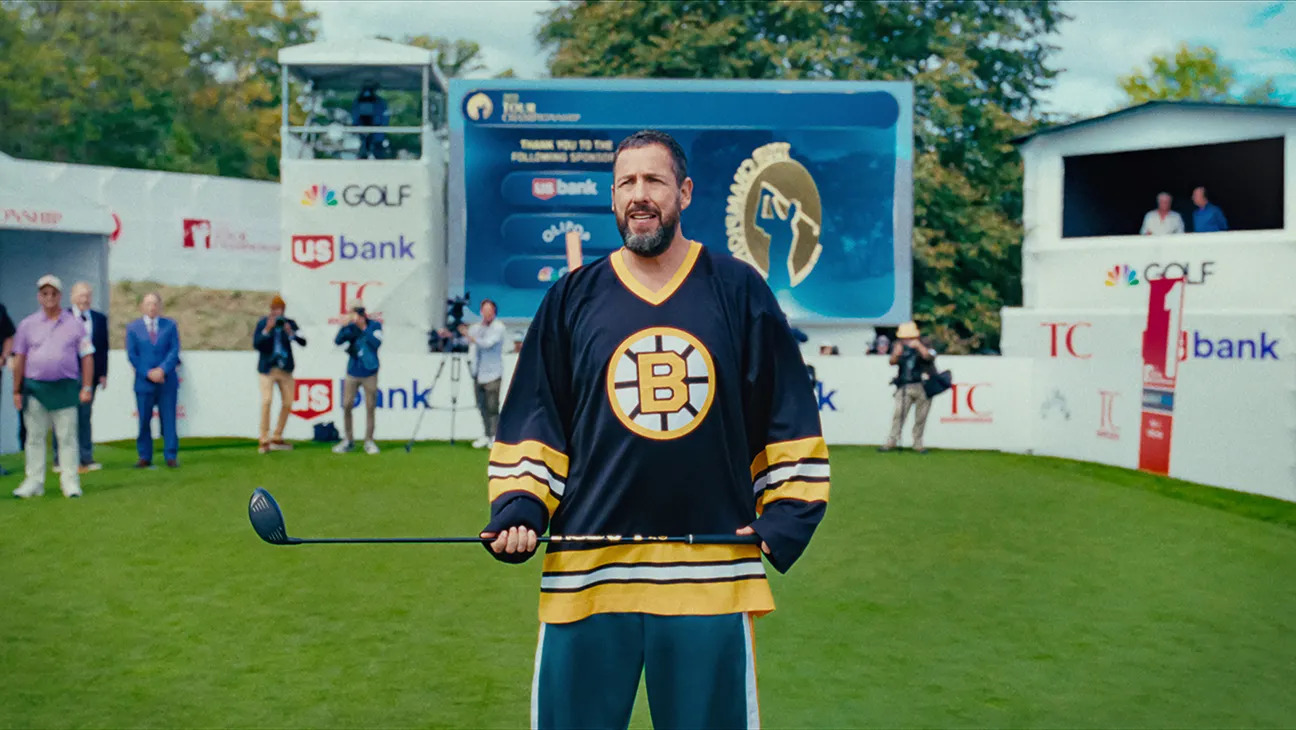
After nearly 30 years, Adam Sandler has returned to one of his earliest successes for a long-awaited sequel. Happy Gilmore 2 follows the titular golfer as he attempts to revive his golf career in order to pay for his daughter’s ballet school.

Right off the bat I need to set the expectations for what Happy Gilmore 2 is, because it’s far from your traditional sequel. I’d say 40% of this film (if I’m being generous) is focused on crafting a good story and recreating the silly comedic tone of the original. Meanwhile the other 60% is focused on celebrating the legacy of Happy Gilmore, the fans who made it a cultural icon, and golf as a sport. Fuelled by nostalgia, it’s packed with countless references to the first film, along with cameos from golfers, movie and music stars, internet personalities and Adam Sandler’s own friends and family. It’s a celebration of the film’s cultural impact, one which has spanned generations and become a beloved piece of history in both the film and golf world. Whether you’re a fan of the film or not you’ve probably tried the ‘Happy Gilmore swing’ at least once in your life, which speaks volumes for its impact. Basically, if you’re looking for a more straight-laced sequel focused solely on building up a compelling, original story, this will probably be very overwhelming for you. But if you go into it understanding it’s a love-letter to the fans, you’re bound to get a kick out of it.
Based on Adam Sandler’s hit and miss track record, I can’t say I expected Netflix’s resurrection of Happy Gilmore to be anything more than a cheesy mess. I’m blessed to be able to say that this movie understood the assignment, creating a fun experience that gets as close as possible to the comedic tone of the original while replicating an equally as straightforward and predictable, yet occasionally meaningful narrative. It’s not a gut-busting adventure that’ll leave you in tears, nor is it going to tug on those heart strings, but it also doesn’t feature an unhinged Adam Sandler doing his silly voice. It strikes a middle-ground that feels accurate to the tone of the original film with a slightly subdued Adam Sandler who understands when to go full slapstick and when to pull back.
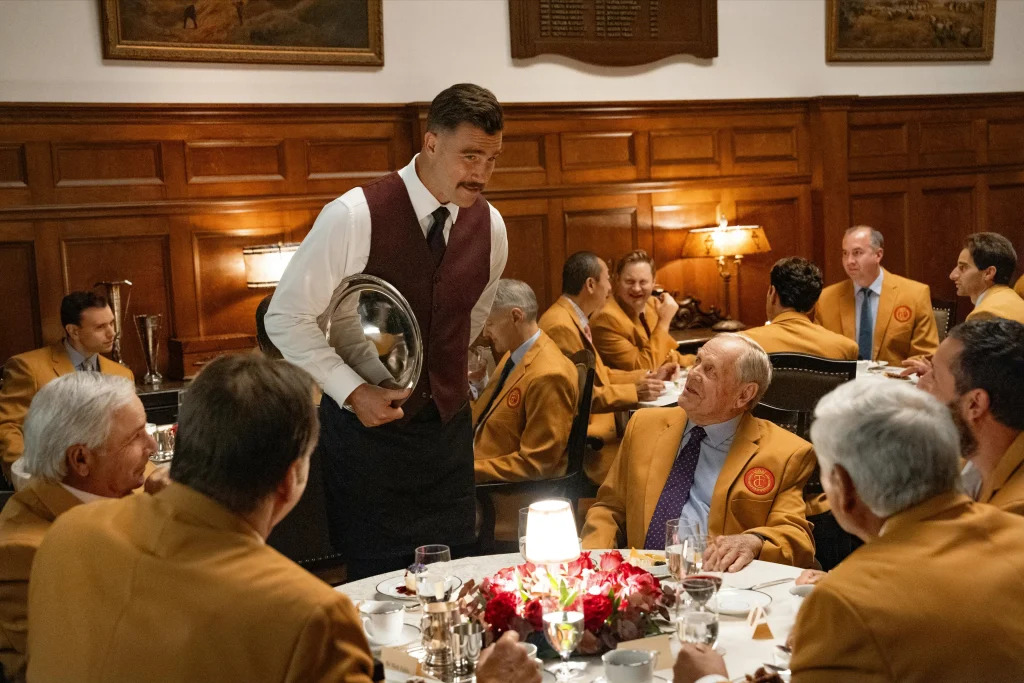
In terms of the story, it has a clear goal in mind but it’s a little unfocused in how it goes about getting there. It’s not quite as simple as its predecessor, and that’s because a lot of the time it’s concerned with how to slide in one of its 50+ cameos or legacy references. It does quite a bit of moving between locations and subplots to get those moments, but manages to provide some narrative cohesion along the way and keep things progressing at a fast pace. So I have to give credit where credit is due, because despite being preoccupied with all the above, there’s actually a decent story to latch onto. It’s predictable from the get-go, but then again so is the first film – it’s instead about the journey and whether it’s a fun time, and I have to say this one is.
Now, revisiting the legacy of the first film is a good approach, but there’s one filmmaking trope that layers on the member berries too thick. At multiple points in the movie there’ll be a direct callback to an iconic moment or character from the first film. Every time those references occur we’re thrown into a frustrating, albeit short, flashback reminding us of the exact scene or character in question. These moments, while intended to enhance the emotional or comedic impact, come across as Sandler treating the audience like idiots. Yes, many viewers won’t be die-hard Happy Gilmore fans resulting in some jokes going over their heads, but I think holding their hand through delivering and then explaining the joke is an odd choice. If someone isn’t enough of a fan to understand the callback when it happens, I don’t think seeing a snippet of the scene is going to help the comedic value – it certainly didn’t with me. It does nothing but bloat the film and chop up the pacing, and there are a number of those moments spread throughout.

Happy Gilmore represents a time in Adam Sandler’s career where built up his own brand of comedy, accompanied by Billy Madison, Big Daddy and The Waterboy. It’s also a time before he went wild with creative freedom to bring us Jack & Jill and That’s My Boy, among other strange ventures. While some like the yelling slapstick hijinks of his newer projects, it’s the 90s-style comedy and light slapstick approach to his earlier films that make them so beloved. So as far as the comedy is concerned, this film quite faithfully returns to that cheesy and silly 90s-style of humour that made the first film iconic. Granted, there’s some running jokes that don’t land as well and are repeated a little more than I’d like, but there’s a solid assortment jokes that nail the intended tone and provide a good laugh. As I mentioned earlier, some bits and references require additional knowledge – for instance there’s a specific Will Zalatoris gag that had me in hysterics that others may not pick up entirely on – but that’s a side effect of this film being make for the fans.
Whether you like this film or not, one thing is abundantly clear – Adam Sandler has put so much love and care into making this a fun experience that you almost can’t fault him. He jumps back into the Happy Gilmore character and delivers a good performance. Yeah there’s shades of Sandler himself coming through, but I feel like for the vast majority of his movies there’s a bit of himself in every role. You could role your eyes at him choosing to cast his friends and family, but the presence of Sunny Sandler (Vienna) is one of the film’s highlights. Of all of his in-universe children, the arc revolving around their relationship hits the hardest thanks to her being his actual daughter. There’s immediate chemistry there, which enhances their scenes and makes their journey feel quite authentic.
Outside of other prominent inclusions like Benny Safdie’s Frank, Christopher McDonald’s Shooter McGavin and Haley Joel Osment’s Billy Jenkins, everyone else sits in that cameo status. If I named them all I’d be here all day, but the sheer magnitude of cameos creates a bit of fun that’ll have you pointing at the screen like Leonardo DiCaprio. In any other film it would feel jarring or out of place, but in this film it works.

In the end, Happy Gilmore 2 is a film that almost sits within its own genre. Yes, it’s a sequel to a beloved 90s classic, but I’d describe it more as a Netflix special celebrating the lasting legacy of that classic. It’s fun, cheesy nonsense with silly comedic beats, nostalgia galore and quirky references to the worlds of golf, film and pop culture. At the same time there’s a heartwarming throughline about family that adds a smidge of depth to what is otherwise a film focused on appeasing the fans. It’s not cracking anyone’s top-10 comedy lists nor is it going to surpass the original, but as a love letter to its fans, Happy Gilmore 2 accomplishes what it sets out to achieve.
7/10

 Everything Movie Reviews