
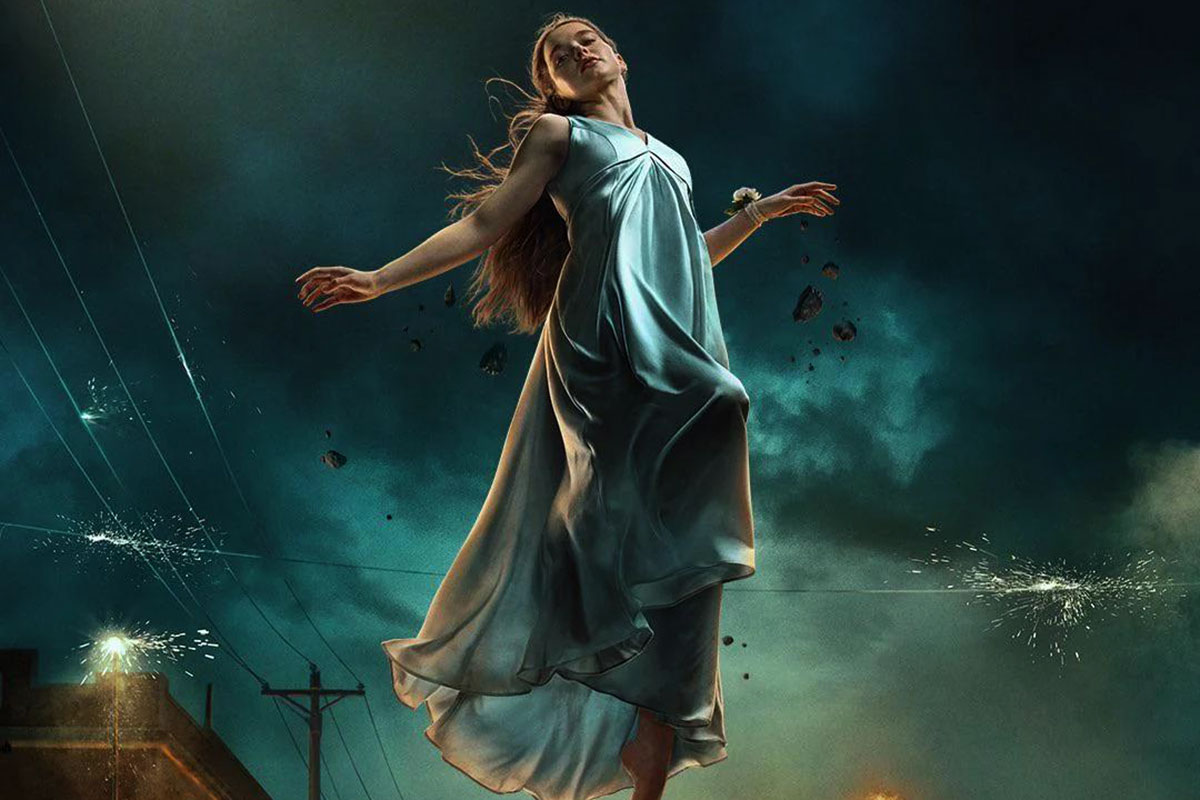
When it comes to a TV adaptation of Stephen King’s Carrie, there’s no better hands I’d rather see the project in than Mike Flanagan. A true master of his craft, he’s proven himself time and time again as a phenomenal horror director and masterful storyteller both in and out of the world of Stephen King.
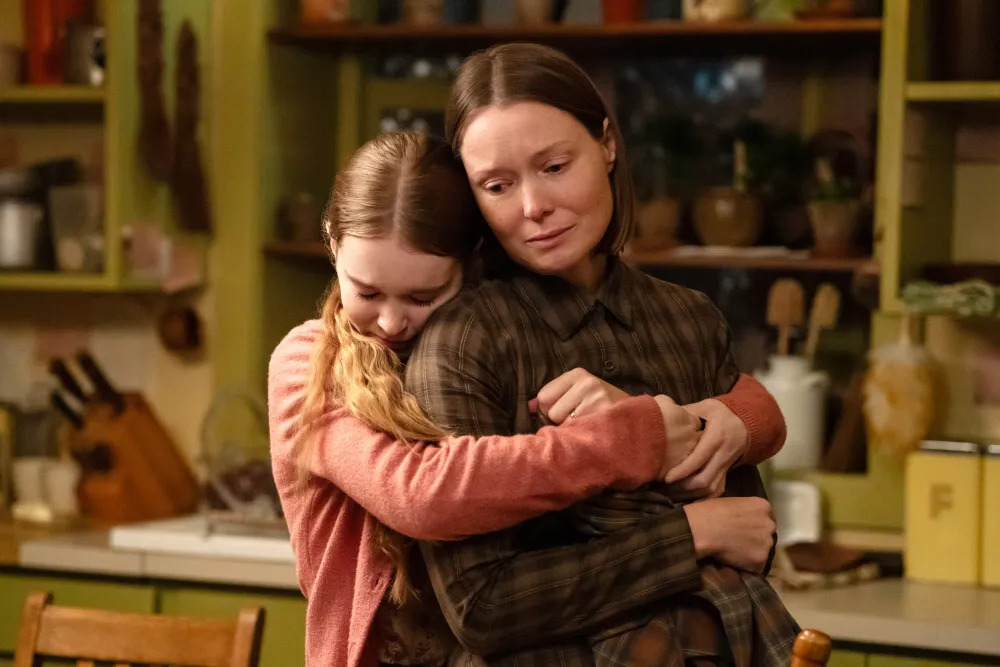
Carrie has been adapted a few times in the past, but never in the form of a TV show. Flanagan has taken this iconic property and adapted it with a vision that honours King’s original story while expanding it with greater depth and narrative possibilities. This is a project unlike any of Flanagan’s other horror ventures, taking less of a traditional horror approach and focusing more on character drama, supernatural tension and the terrors of high school. It may not be fully horror-rooted for the majority of its runtime, but it retains just as much tension and stress-inducing drama as something like The Haunting of Hill House. It’s the embodiment of a psychological horror, with every moment spent dipping into Carrie’s psyche, and as a result becoming more and more unhinged and unstable with each passing episode.
I need to highlight the structure of the series, because while you could say it’s a ballsy approach, it’s something Flanagan has done before in The Fall of the House of Usher. He starts by showing us the aftermath of the big climax, telling us and showing snippets of how this story will end. Then jumps back in time to follow our characters every step of the way in the lead-up to the finale we know is coming. Some might say the structure spoils the ending, but I say it adds an extra layer of intrigue to the journey. You may know where some characters end up, but it’s what it doesn’t reveal about their arc that’s all the more exciting. Given the twists and turns in each character arc and emotional development, the HOW they end up in those situations is the exciting part. It also leverages the fact that the climax of Carrie is a recognisable part of pop culture, to the point where even if you haven’t seen the film you know how it ends. On top of that, it plays into Flanagan’s grand plans for the series beyond just this season, hiding a larger story beneath the surface.
Back to the horror of it all, or rather, the drama. The bulk of this series takes place at a very human level; spending its time fleshing out characters, giving the supporting cast an opportunity to breathe life into their characters and exploring the core relationships and how they shift over the course of the series. The teenage drama is orchestrated on a level that feels real, raw and gritty without crossing over into “cheesy Netflix rom-com” territory. Each episode is locked in on the titular character, giving us insight into her every coming-of-age experience and stacking on the emotional weight of her journey. It’s not just Carrie it delves into either. Flanagan ensures he develops characters like Margaret, Chris, Sue, Rita and more to the point of being able to understand and feel for them even if you may despise some of them. Whether I liked or hated any of the characters, I loved learning more about them, their outlooks on life and how they navigate the horrors of high school. All of this character-centric storytelling is told through the lens of a horror film – it’s still terrifying, ominous and dripping in suspense because of how real and personal it is.
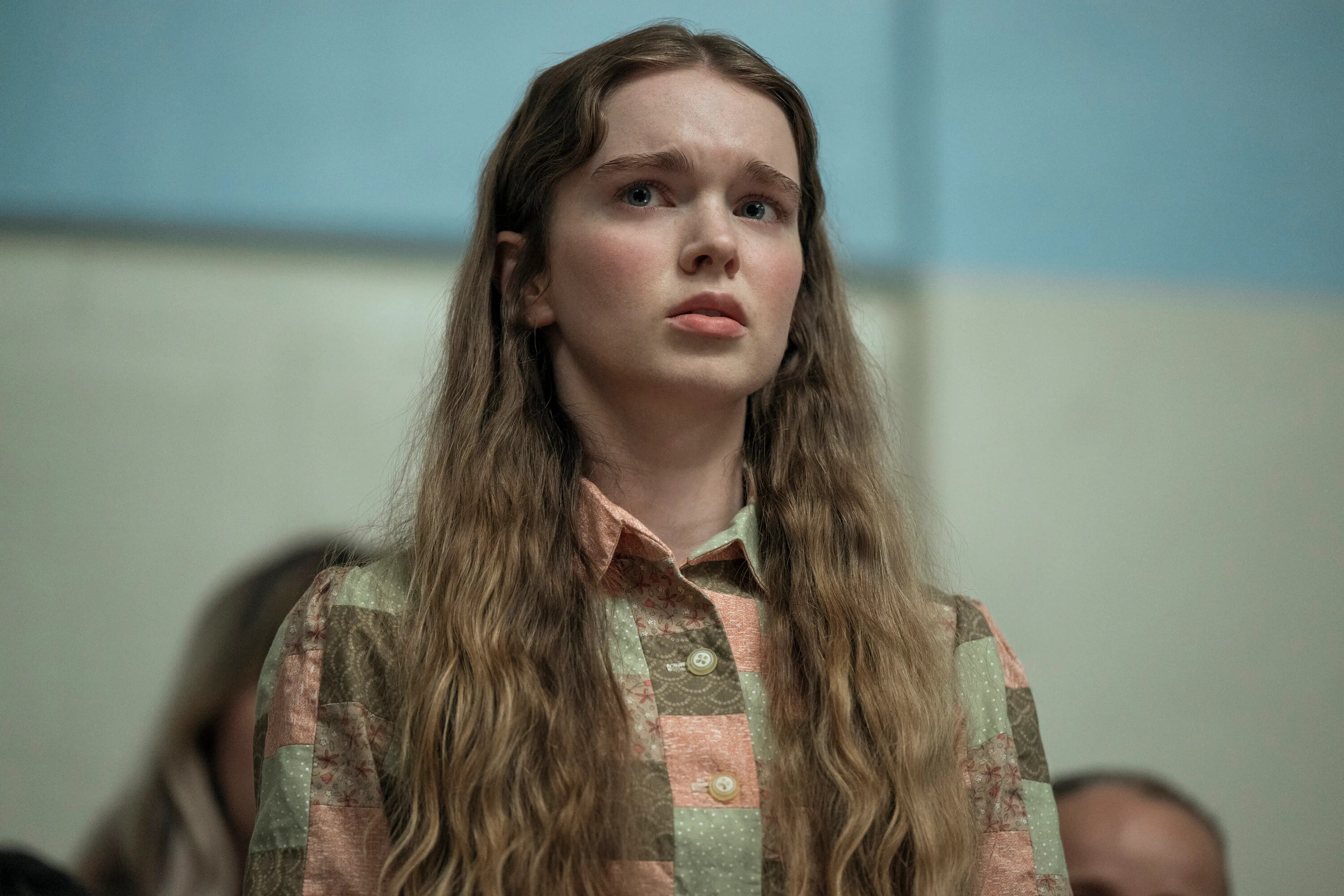
Flanagan’s ability to build tension over time, keeping you on-edge with a gradual building of stress makes him one of the all-time greatest horror filmmakers. The slow-burn approach is prevalent throughout but especially in the first half of the season, then you cross into the latter half following an exceptional midseason episode and the tension and heart-pounding suspense begins to exponentially soar. As the tone gets darker it becomes more and more unsettling, keeping you on edge because you don’t know what turns the story will take. There’s so many gripping sequences in the lead-up to the finale that it’s damn-near impossible to resist hitting next episode. The thing is that most of these suspense-laden moments are simple dialogue scenes with hardly any real horror element or threat. There’s a specific scene within the principals office which is heart-pounding stuff, and it’s just a conversation.
Following a run of masterpiece-level episodes, we get to the finale, which allows Flanagan to go all-out horror for the first time in the series. He unleashes hell upon the series with a fiery, explosive conclusion that’s as brutal as it promises to be. It’s a huge shift for the series and it pays off in spades, delivering balls-to-the-wall chaos while hinting at a much larger narrative brewing in plain sight.
While the tone strides a fine line between emotional teen drama and tense supernatural horror, the music happens to be the strangest addition. The bulk of the soundtrack is a strong 80s pop/disco vibe with a synth energy to it, but the series is neither set in the 80s nor is the music from the 80s. Most of the songs playing over the series are by pop duo Haute & Freddy, who have only been active for the last two years. With the upbeat vibe of this music contrasting much of what’s happening on screen, their music is recontextualised a few times as Carrie’s journey undergoes some major shifts.
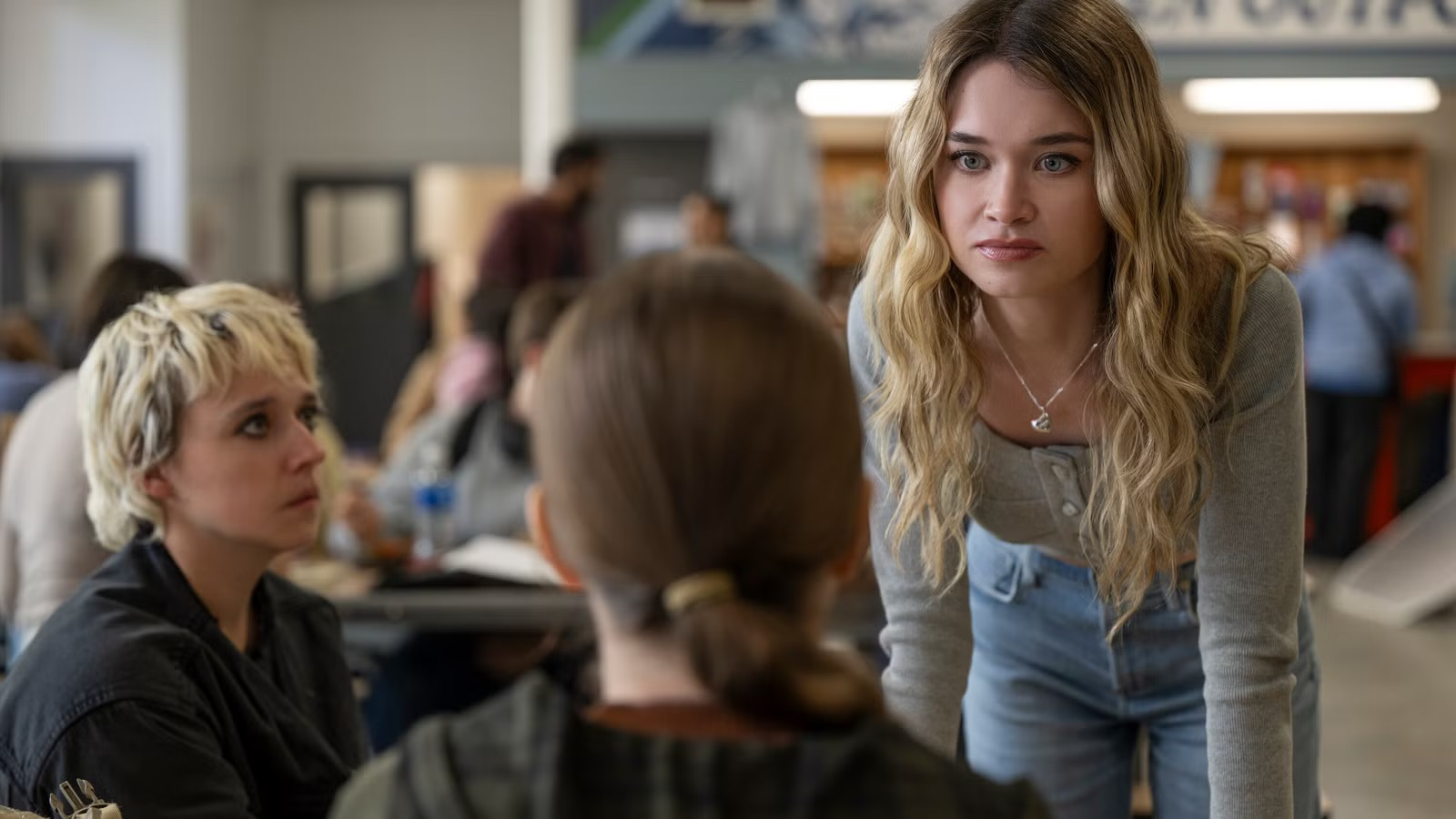
If you look back at ALL of Mike Flanagan’s series’, there’s a number of constants, and one of those constants is an ensemble of unforgettable performances. Since he tends to use recurring cast of mostly the same actors, it’s no surprise that Carrie is filled with riveting performances. The first person I must mention is Samantha Sloyan, who plays Margaret White and is the shining light of the series. Nobody commands the screen and disappears into her role quite like Sloyan. She is above and beyond levels of incredible across every one of her scenes; a powerhouse actor who breathes life into her character in such a way that makes you love and hate her at the same time. If she doesn’t win an Emmy in her lifetime, then that would be a travesty. As the leading Carrie, Summer H. Howell is just brilliant. She brings a timid, earnest and beautifully innocent touch to the role, while also displaying a hardness and edge that rounds out who Carrie is. This is my first exposure to her, and she’s already displaying some serious range I’d love to see her carry into future roles.
The supporting cast is also filled with an array of quality performances that help flesh out their respective characters. Siena Agudong (Sue) and Alison Thornton (Chris) are the standouts amongst the young cast, with the latter being able to play such a despicable human so convincingly that you love to hate her. Then there’s Rahul Kohli (Mr. Peist) who is less of a comedic force as he is in Flanagan’s previous shows, but still brings that sarcastic edge I love so much. The immense talent also spreads to Amber Midthunder (Miss. Desjardin) and Matthew Lillard (Principal Grayle), who are each given some emotionally tense sequences that they effortlessly knock out of the park.
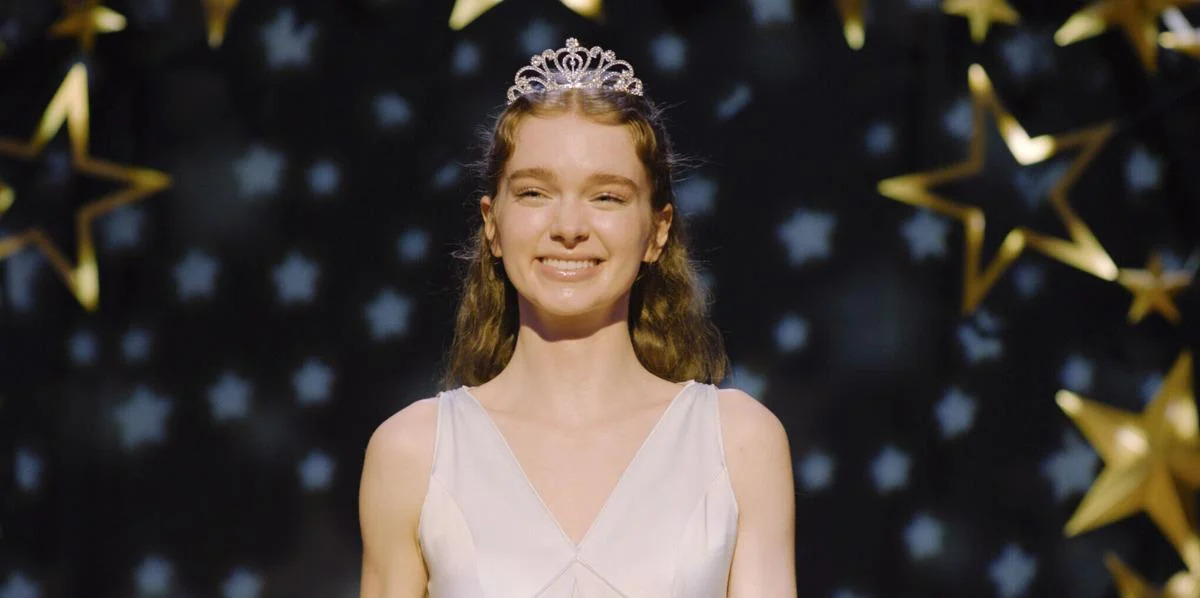
In the end, Carrie is one of the all-time best Stephen King adaptations, adding yet another horror triumph to Mike Flanagan’s repertoire. With Doctor Sleep already under his belt and The Dark Tower on the horizon, he’s soon to be well versed in the King universe. Carrie is a thrilling experience that turns the trials and tribulations of high school into a drama and suspense-filled series that captures the horrors of being a teenager. Packed with an ensemble of gripping performances, some world-class writing and deeply emotional and unsettling storytelling, this is a narrative triumph that’s as terrifying as it is poignant.
9.4/10


