
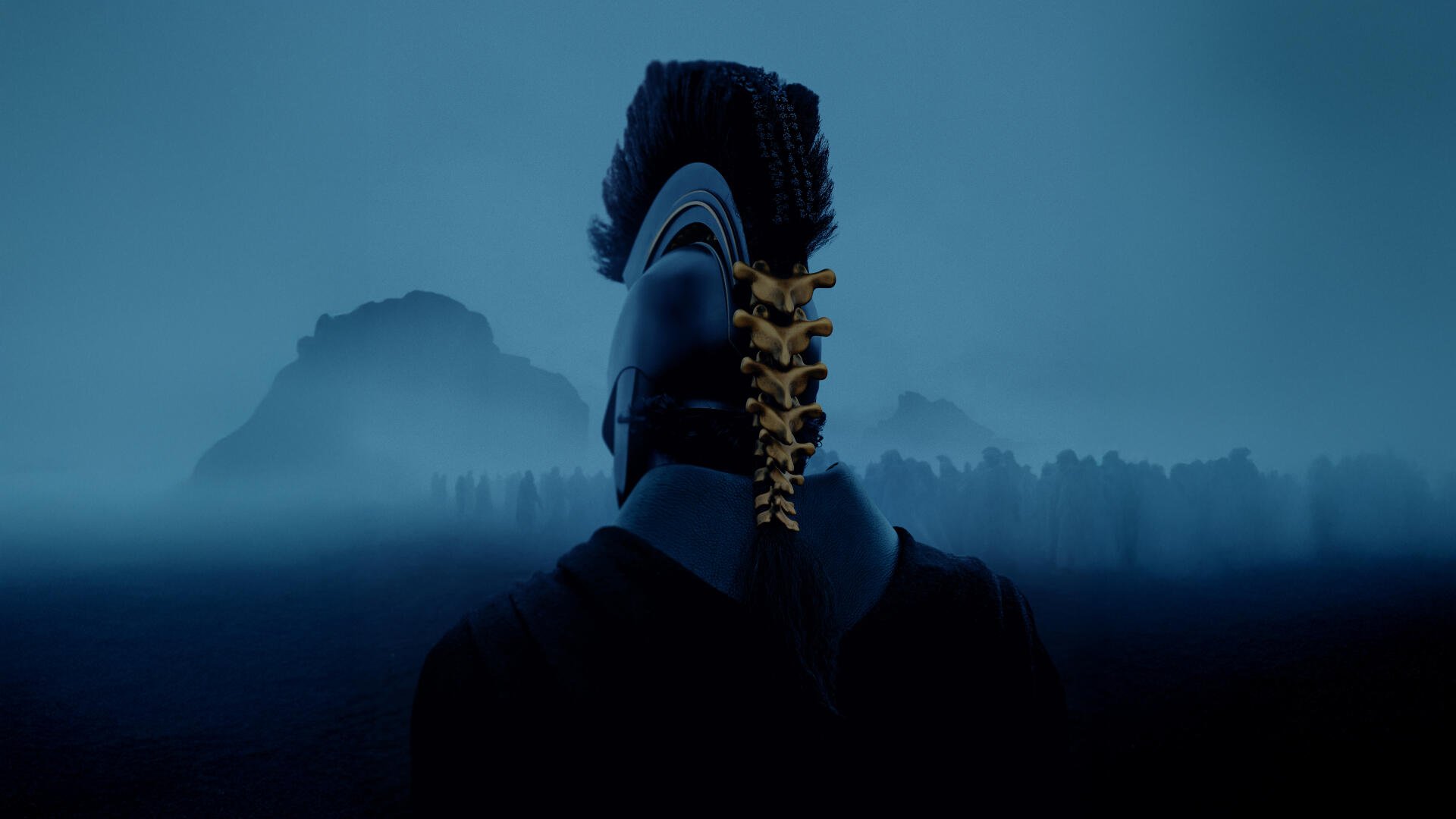
Just when you thought Christopher Nolan had reached the peak of his cinematic achievements with Oppenheimer, he comes out with The Odyssey… an odyssey of epic proportions. This adaptation of Homer’s classic poem is Nolan’s most ambitious project both in terms of narrative and technical achievement.
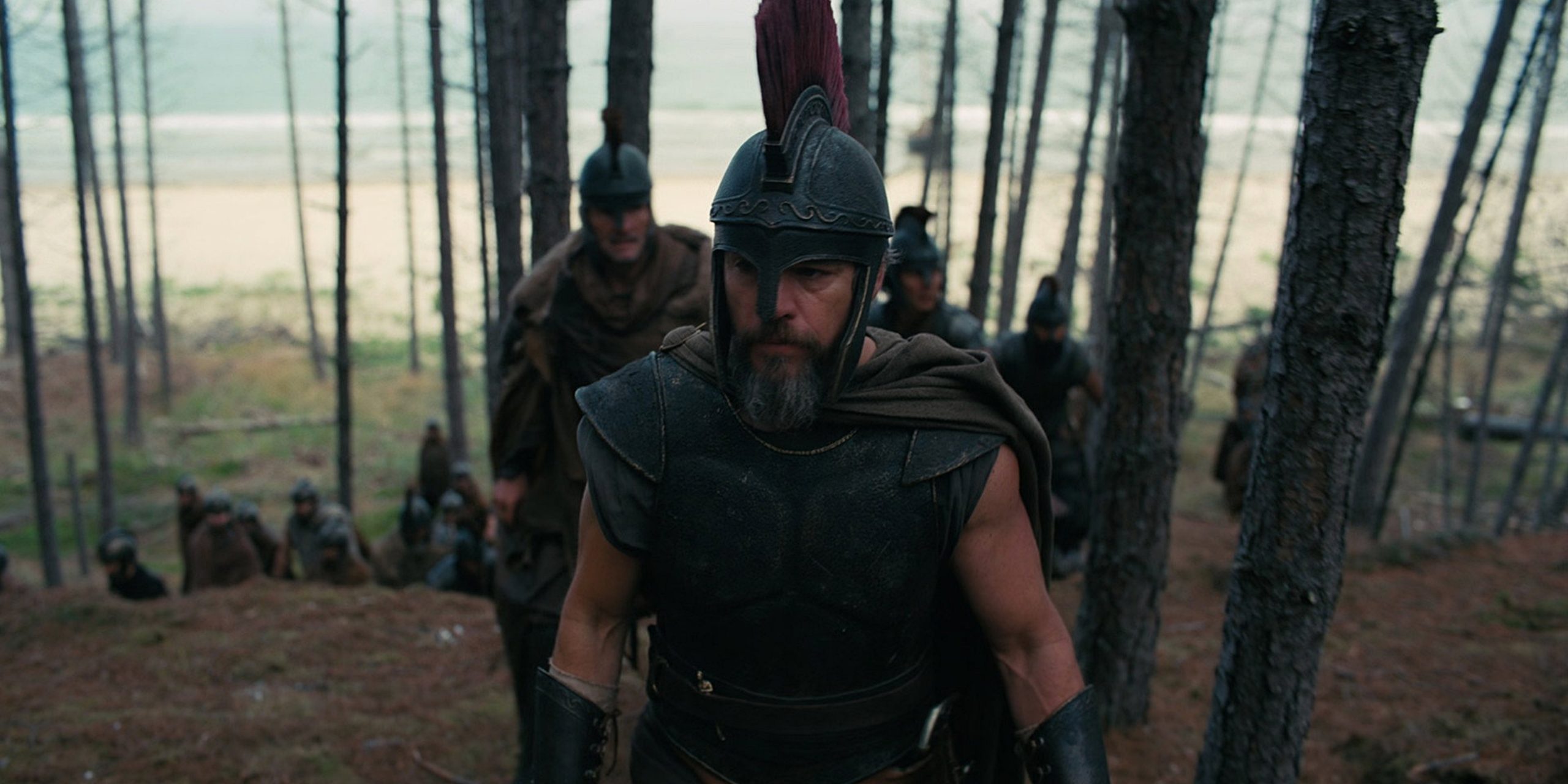
Homer’s Odyssey is described as an ‘epic’, and Christopher Nolan took that literally, turning the classic piece of literature into one of the most grand and breathtaking cinematic adventures ever witnessed. First and foremost I need to talk about the elephant in the room; the IMAX 70mm effect. Nolan is no stranger to utilising IMAX sequences in his films, but the dedication and determination to push the technology to it absolute max and film this entire epic in IMAX is a testament to his love for filmmaking and his love for this story. Could this have been shot and experienced in a regular theatre just like every other film? Absolutely. But presenting this film in IMAX 70mm creates a sense of spectacle and awe worthy of the subject material, and I stand fully by that being the most authentic way to experience the film. I haven’t seen the film in a standard format, but I imagine Hoyte van Hoytema’s cinematography would take a bit of a hit.
Speaking on the cinematography; you can feel the weight, scale and scope of this adventure from the opening few shots, and that carries through the entire film. Every single shot from start to finish is a work of art; a true stroke of genius from one of the greatest Director/Cinematographer pairings working today. This isn’t just a man on an adventure, this is an ‘odyssey’, and the incredible scale of the cinematography is what makes it feel like one. The wide, sprawling shots are a sight to behold, but also the tight, claustrophobic shots are just as stunning and impactful. It’s just a shame that there aren’t more than 41 cinemas worldwide capable of showing IMAX 70MM film, because that is undoubtedly the best way to experience this groundbreaking feature.
As much as Hoytema’s cinematography will gain an incredible amount of praise, to me the single strongest element of this film is the sound. This is a truly visceral experience thanks to the way Odysseus’ trials and tribulations are brought to life through sound. From the crashing of waves during a thunderstorm to the simple plucking of a bow, the sound design is utterly phenomenal. It carries so much emotional weight that there are specific moments in this film that are iconic due to their use of sound. One sequence in particular even uses the absence of sound to its advantage, enhance the stress and tension of the on-scene moment. Combining cinematography, sound and score, this is a technical masterpiece of the highest quality.
In terms of said score; there is absolutely no doubting Ludwig Göransson’s breathtaking work. If he has won Oscars for Oppenheimer, Sinners and Black Panther, he is without a doubt on the verge of bringing home his 4th Academy Award. This score is as riveting as they come; an absolute delight and an anxiety-inducing thrill ride from start to finish. Every one of the film’s themes is conveyed through this score, but none more-so than hope. Among all of the death and destruction that befalls the characters, there’s this underlying sense of belief, love and belonging that’s reflected in Göransson’s score. On the other end of the spectrum, the score complements the cinematography to leave you stressed and on the edge of your seat though each and every major set piece.
Sitting at nearly 3 hours long, this is a behemoth of a film, so it’s necessary to be sufficiently paced otherwise it risks dragging through stretches of boredom. Thankfully, when it comes to crafting an epic-length film, Christopher Nolan knows how to make it an absolute breeze. The Odyssey is a gorgeous, breathtaking adventure that throws you into Odysseus’s treacherous journey home and literally never breaks stride. Its approach to storytelling and structure is very reminiscent of what Nolan accomplished with Oppenheimer; throwing away a traditional 3-act structure in favour of an approach that dances through time to tell a compelling, deeply meaningful character-centric story. At its core, that’s what this film is; it’s a character study of Odysseus, highlighting the growth he experiences on this journey home, and how that helps shape not only his own beliefs, but those of the ones around him.
Whether you’re aware of the classic tale’s iconic moments or you’re going into this completely blind, this is a gruelling search for home that makes you feel like you’re on the ship with Odysseus’ crew. It’s wonderfully immersive thanks to the rapid progression of the story, gripping characters and the marrying of score, sound and cinematography. Nolan takes a number of creative liberties that are sure to upset those looking for a faithful retelling, but the changes he makes are in service of creating a cinematic spectacle.
On top of all of the epic action-adventure elements, there’s a number of strong emotional throughlines that are sure to get the tears flowing across a few key moments. The emotional impact of this film hits like a tonne of bricks, and it does so in a way that catches you entirely off guard. The effectiveness of the emotional beats is a testament to Nolan’s writing and his ability to make Odysseus a compelling protagonist who is as much a hero as he is deeply flawed. As per the title, the story revolves around him and is built entirely off his experience, so having him be an intriguing character is essential to the enjoyment of the film.
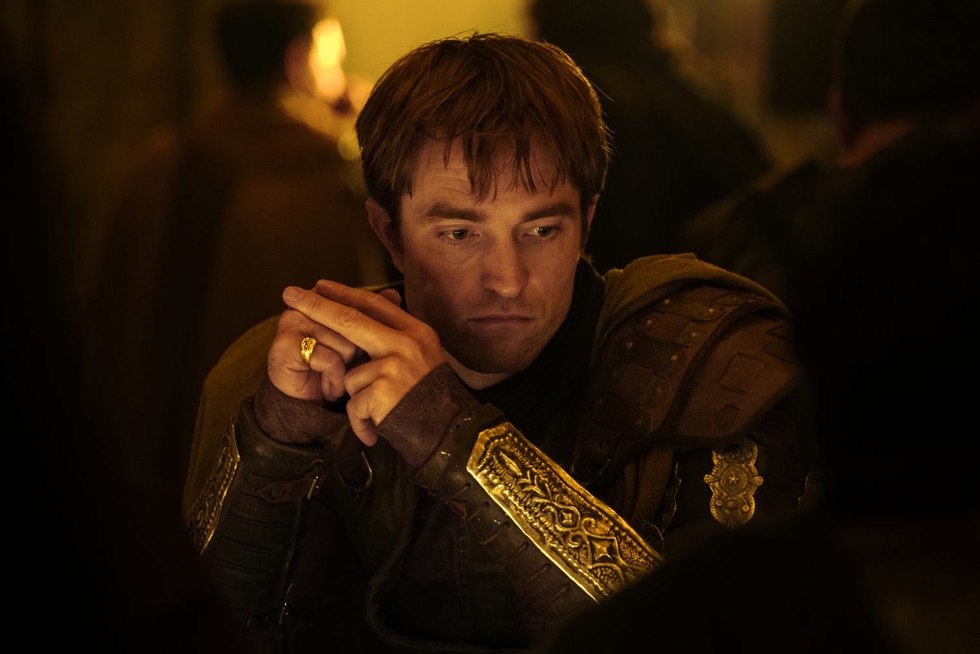
This is a stacked cast, with A-list actors popping up all over the place and each one delivering an incredible performance that fits firmly within this world. Matt Damon is exceptional as Odysseus; transforming into the role in a way that I didn’t think he ever could. He’s never won an acting Oscar, and this may very well be his chance. He wonderfully conveys the strength and stubbornness of the character, but also the softness and heart he develops with time. The emotional impact of this film hits because of his performance, then is enhanced by those around him. While they have limited screen-time, Tom Holland (Telemachus) and Robert Pattinson (Antinous) are entertaining and intriguing with every on-screen moment they get. Their performances are polar opposites, but they complement each other really well and share wonderful chemistry.
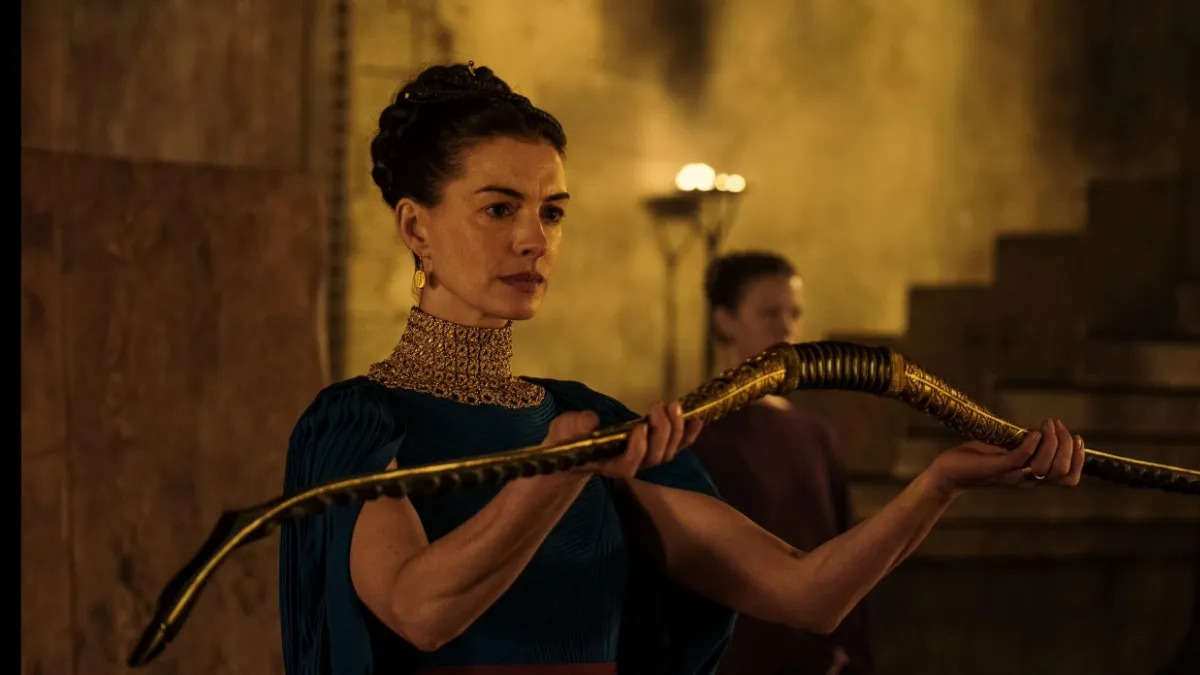
As for the other big emotional heavy hitters, we have Anne Hathaway as Penelope and John Leguizamo as Eumaeus; two roles that are also somewhat limited yet memorable in their own rights. Hathaway is a class act, delivering a performance that’s both beautiful and heartbreaking; carrying her every scene. Leguizamo on the other hand puts in one of the best performances of his career; lighting up the screen every time he shows up and outshining nearly everyone he acts against. All in all, it’s a wonderful ensemble that’s been fantastically well cast.
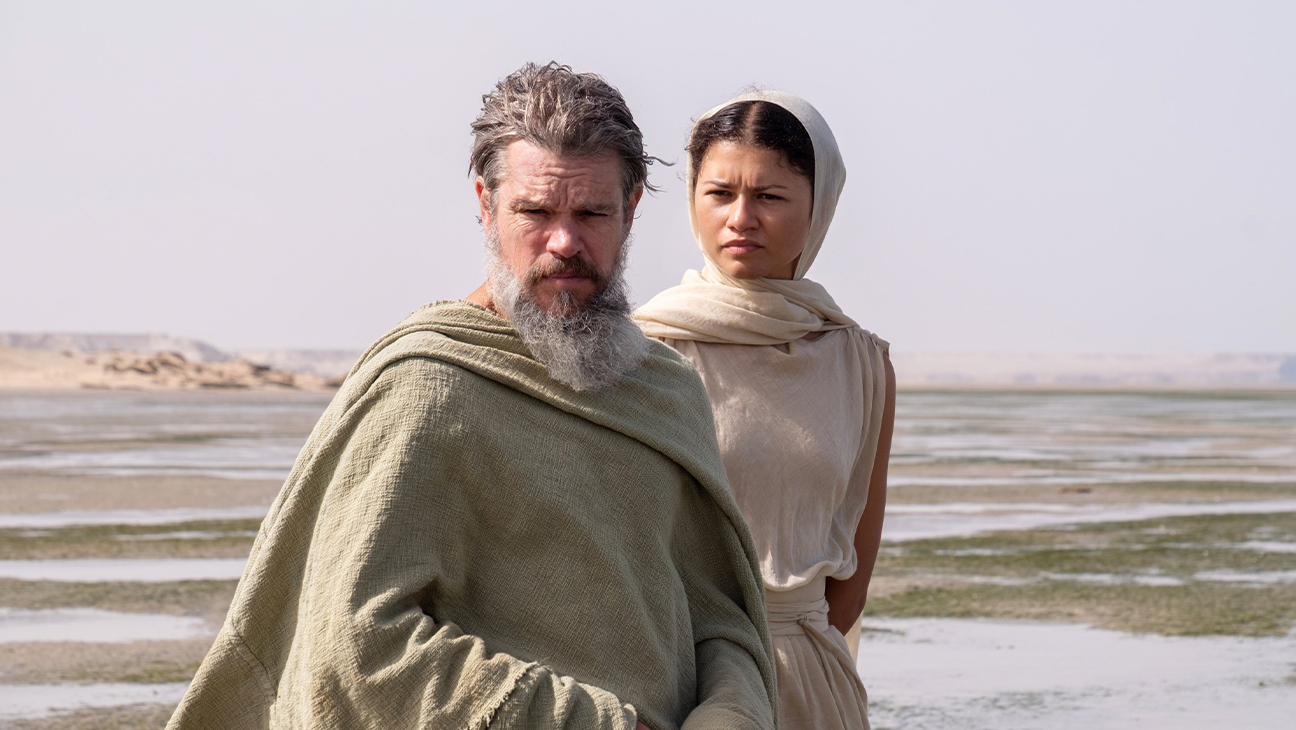
In the end, The Odyssey is a cinematic work of art; yet another masterpiece from the brushstroke of Christopher Nolan. He has amassed a filmography that makes it nearly impossible to rank which film is his greatest achievement. This adaptation presented a monumental undertaking and Nolan has smashed any and all expectations. It’s a mesmerising piece of cinema that begs to be seen in its IMAX 70MM format. This aspect ratio is no gimmick; it has been capitalised on in every single moment, with cinematography that sucks you into the world and a score that keeps you locked in. With incredible writing, dialogue, sound design and performances to boot, this is an absolute must-see – a film that has made (and continues to make) cinematic history.
10/10


