
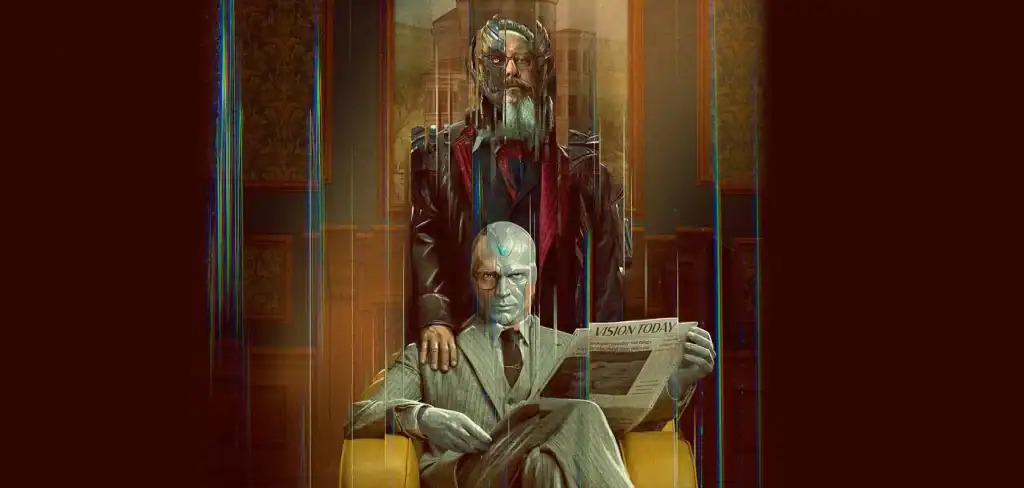
It’s not every day you get a trilogy of TV shows, but that’s exactly what the MCU has given us with VisionQuest. Rounding out the narratives of WandaVision and Agatha All Along, this series follows Vision on his fight to regain his humanity.
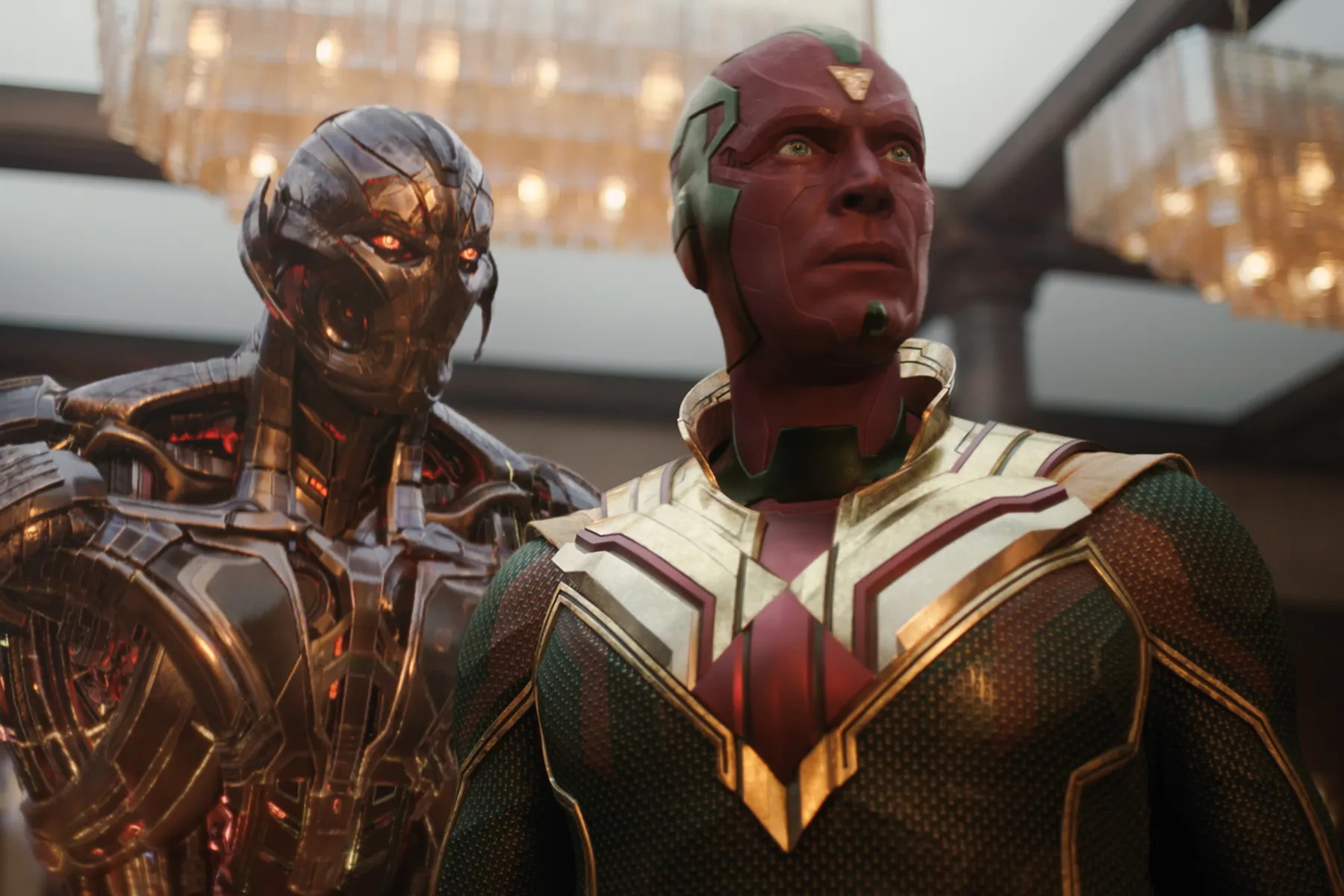
Marvel TV has had its ups and downs, but the series that started it all, Wandavision, is one of the strongest entries to date. The fact that the narrative of VisionQuest is so linked to WandaVision strengthens it from the get-go. Going into this series, you already have an attachment to Vision, Ultron and to an extent, Tommy, so it’s easy to jump into the narrative and launch into the new adventure these characters are embarking on. The base story of this series is solid; it’s emotionally rooted in Vision’s journey of self-discovery and sees him forced to interact with a number of familiar AIs and new threats. The opening few episodes were a little rough as the narrative takes quite a while to fully settle, but it incrementally improves. There’s a couple of new villains on the block and a lot of moving parts that aren’t woven together as well as I’d like. It’s entertaining and a little bit of fun, but it feels quite empty. That’s when the ball finally drops with a well-handled and experimental fourth episode, kicking into the latter half of the season that has a little more to offer.
The latter half deals with slightly heavier themes and builds towards its finale well, but it still a little convoluted with how it decides to get there. Overall the narrative feels very uneven, with some sequences being quite honed in on Vision and his family, and others opting for non-sensical MCU action. I have to say that, within the MCU, I think Madripoor is a great location, but the jump to include it in this season felt almost entirely pointless. It has a cool aesthetic, but it’s one of the few detours in this series that feels out of place in hindsight. The random arcs this series adopts are combated by the AI sequences set in and out of Vision’s head. They’re fun and at times emotionally impactful, keeping the content interesting and comedic even when there’s a lull in core narrative progression.
As much as I’d say the bulk of this series is pretty decent, there’s not a single moment of VisionQuest’s first 7 episodes that holds a flame to the action, tension and storytelling of the finale. I’d go so far as to say that if this entire series was written just to get us to the finale, it would be well worth the long, up-and-down journey.
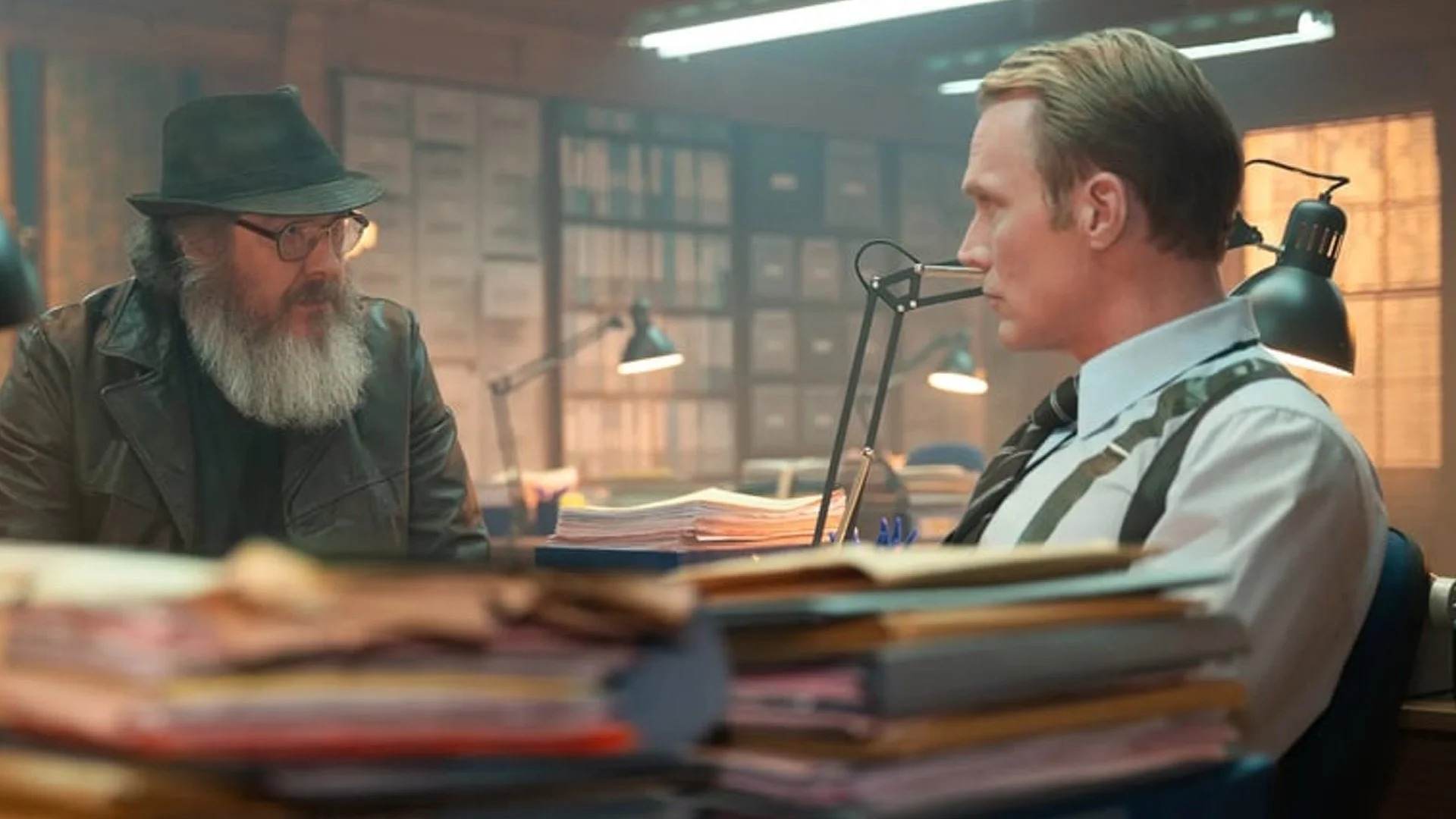
As far as the action is concerned, it’s not a focus of the show but yet there’s a number of solid sequences throughout the season that make it worthwhile. I mean, when you have the likes of Vision, Ultron and other AIs at your disposal, you’re bound to see some kickass action. There’s nothing all too memorable, given the TV show budget and scale, but it makes for some entertaining moments that break up all the character-centric beats. Speaking of the AI, there’s a decent chunk of this series focused on expanding the history of AI in the MCU, and I didn’t care for it all too much. There’s elements of that backstory that are cool, but it’s crammed into a single episode and it didn’t do much besides slow the whole season down.
The characters and performances are the heavy lifters in this series. While the story ebbs and flows through sometimes good and sometimes slow arcs, it’s the performances and well-written characters that kept me coming back. Paul Bettany is a star, bringing more humanity to Vision than ever before and leading the series with a lovely balance heart and humour. He’s developed this character far beyond anything we thought we’d ever see from him at any point in his journey from Age of Ultron to Infinity War. There’s not many people who could convincingly play a humanoid like Bettany does, so it’s a blessing to still have him and Vision on our screens. The biggest draw of this series is getting to see James Spader return as Ultron, something I never thought we’d ever get. Spader effortlessly leaps back into the sadistic wit and dark comedy of Ultron, and is able to do so without the mask of a CGI suit. Getting Spader in the flesh is a blessing, and he delivers in more ways than I could’ve imagined.
On the human side of things, it’s Ruaridh Mollica who impresses as Tommy. He’s not a standout and definitely in the shadow of all the AI characters, but he does leave an impression on the show’s emotion-centric narrative. Much of the fun that comes from watching this series stems from the presence of Emily Hampshire’s E.D.I.T.H., Orla Brady’s F.R.I.D.A.Y. and James D’Arcy’s J.A.R.V.I.S.. There’s something unique and special about seeing all these legacy AI characters interacting with each other in the flesh. It’s something that I don’t think anyone would have predicted the MCU would give us, yet I’m glad they did.
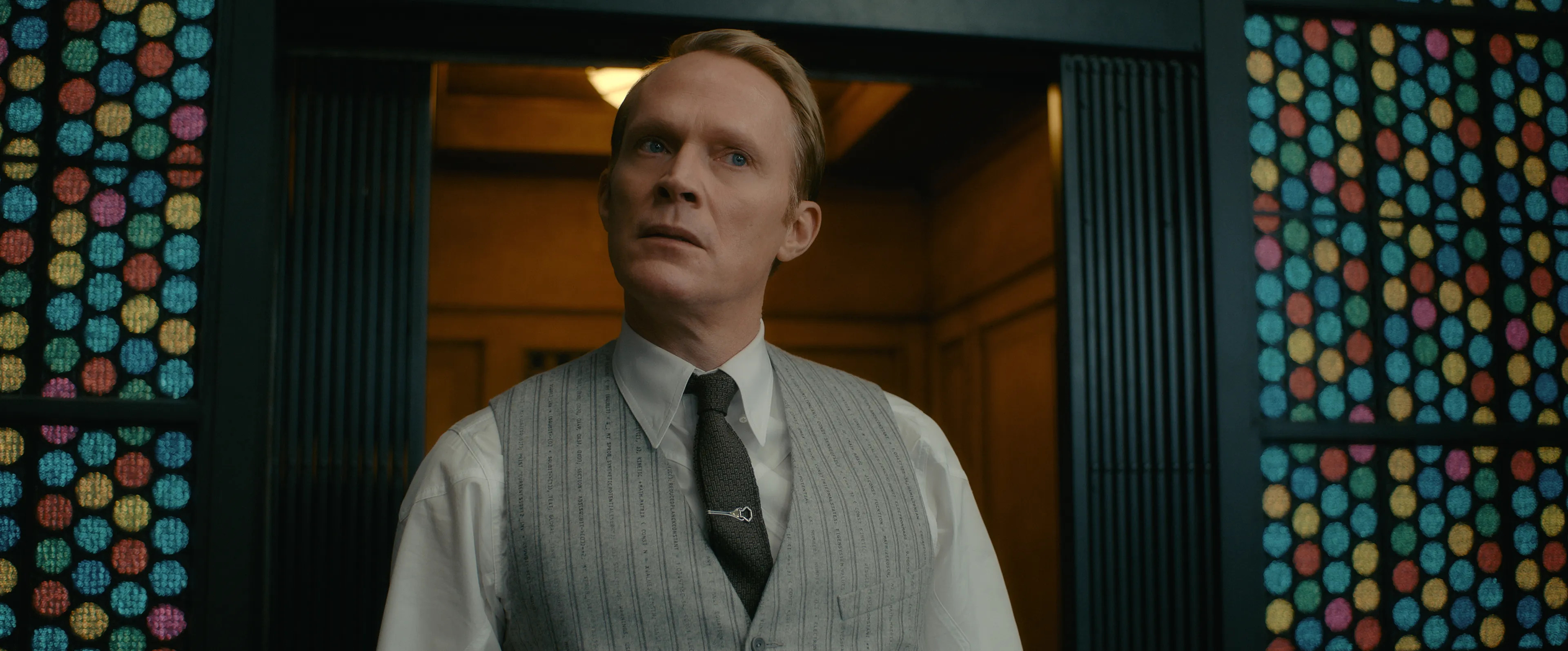
In the end, VisionQuest is a show I’m sure will have big implications on the MCU going forward, but I just can’t see it being too memorable outside of the finale. It’s a fun journey and is a fitting climax to the legacy WandaVision left, plus it gave us the return of so many iconic AI characters, so I can’t complain too much. The convoluted narrative leaves a little to be desired and could have been more focused, but the entertaining performances, solid action and hilarious personalities are what make this an adventure worth experiencing. With the MCU on the rise in terms of its films, and now this being a good TV entry, hopefully there’s more consistency and intent in its choice of TV shows too.
6.6/10


