

Returning with its 6th film, The Hunger Games franchise aims to further prove its longevity beyond the Katniss Everdeen arc. Sunrise on the Reaping follows a young Haymitch Abernathy as he competes in the 50th Hunger Games, with director Francis Lawrence returning once again to bring the titular book to life.
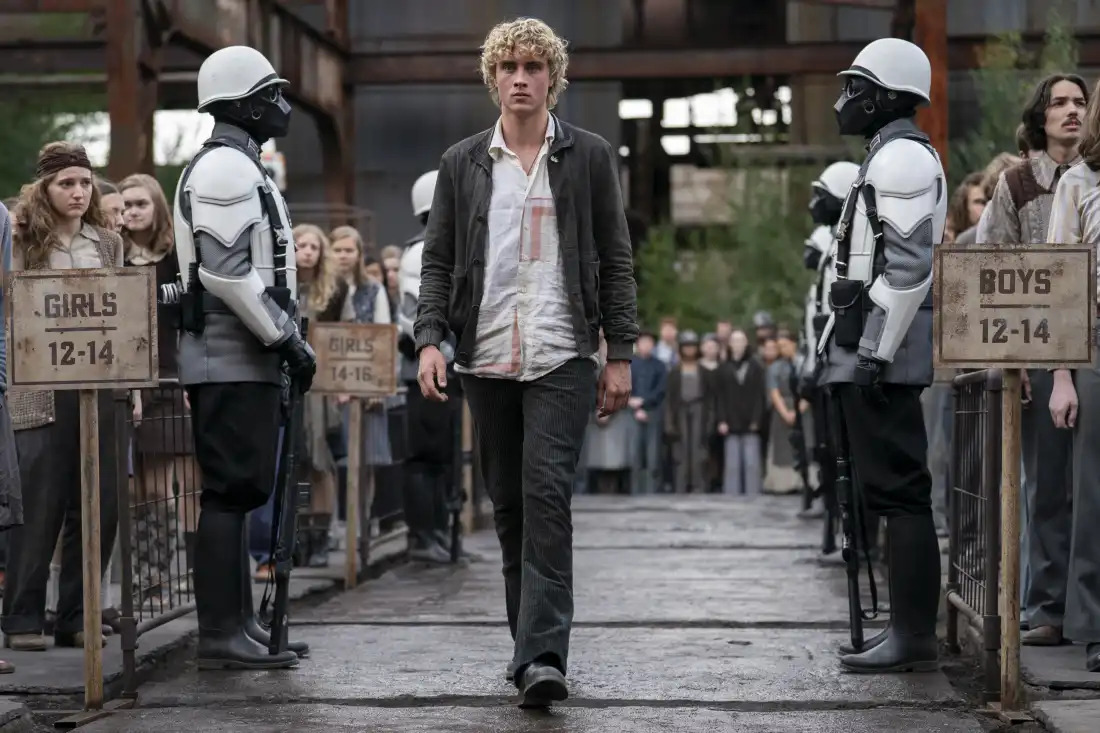
I was a lot younger the last time I saw a Hunger Games film (prior to this year)… 11 years younger to be exact, coinciding with the release of Mockingjay Part 2. Now, with the release of this second prequel in the franchise, not only have I matured, but the franchise itself has matured too. The themes are just as dark, poignant and relevant (unfortunately) as they were 11+ years ago, but it’s the content itself that makes this the most brutal entry in the franchise. The Ballad of Songbirds and Snakes was a fun idea for a prequel and it was decently executed, but it didn’t stand out even when put alongside the original four films. This on the other hand is a dark, tense and brutal look at The Hunger Games, turning it into by far the most harrowing and distressing film in the franchise. Haymitch in the main trilogy of films is a troubled soul, so that should be indication enough that what he is (and we are) about to go through in this film isn’t going to be a pleasant time.
There’s an extra layer to the games this time around, and we’re not just talking about the fact that there’s double the tributes. The story hinges around the various mutts that fill the arena, and every single sequence involving the dangerous creatures is as tense as it sounds. The suspense is through the roof during the games, but we’re getting ahead of ourselves. So much of this film takes place outside of the games, building Haymitch’s backstory and setting up the new characters we’re to follow, and every single minute is well worth it. The reason this story is as gripping and impactful as it is isn’t just to do with the tension of the games, but because of the time spent giving every one of our main characters an emotional hook that guides them through the narrative. The heavy lifting is done early to establish strong characters you can root for or against regardless of your book knowledge. So when we finally get to the games, there’s additional stakes that wouldn’t have been there had we just jumped right in. It’s beautifully paced, with the near 2-hour and 40-minute film feeling heavy and full of weight, but never dragging or feeling too long.
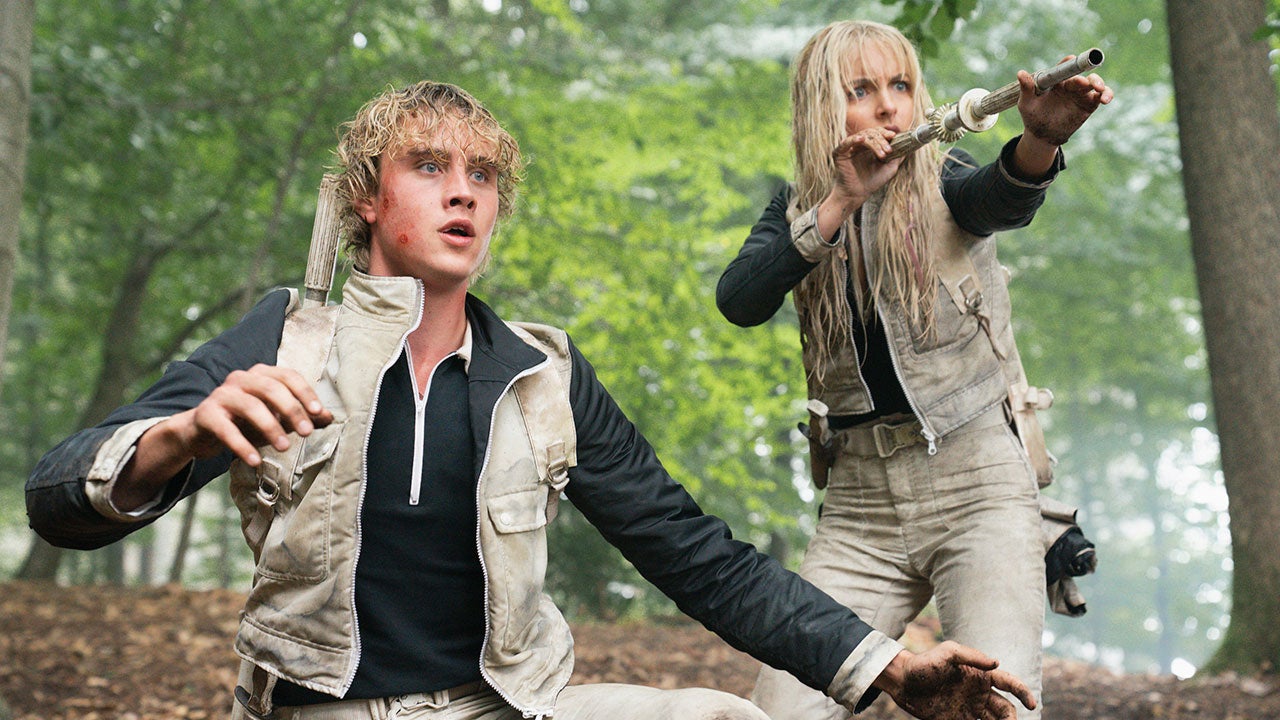
As someone who read the book, this film has got layers in the way it complements other areas of the franchise. From a book adaptation standpoint, it’s exceptional in capturing the tone, characters and key story beats, without feeling like there’s obvious missing content. Then you have its ties to the prequel that preceded it; with the further development of Snow as the ruthless dictator we are so familiar with. But certainly most exciting are its ties to the original films and the way it even bookends that story. At the forefront of the connections is Catching Fire, my favourite of the Hunger Games films, and one which shares a number of iconic returning faces. The character connections are exciting to say the least, with so many throughlines drawn that not only enhance this film but potentially even the experience of rewatching the original films. My one gripe is that some of the winks to the other films are a little less subtle than I’d like, but it’s not a major flaw.
From a casting standpoint, I don’t think they could’ve hit the nail any closer to the head. Starting with the lead, Joseph Zada delivers a gripping lead performance that depicts Haymitch’s fall from lovestruck teen to grief-stricken alcoholic. He has a commanding, powerful presence and captures the emotion of his character’s journey exceptionally well. The chemistry he shares with all his co-stars is strong from beginning to end, ensuring the heart of the film is felt through every key conversation. Jesse Plemons is the unsung star of the show, bringing a young Plutarch to life in a way that has me rooting for a standalone film focusing on him. Plemons is such a riveting talent, and he brings weight to every one of his scenes in a way not many others do. One of those that does is Ralph Fiennes as President Snow, who brings a subtle yet layered performance that evokes hints of what Donald Sutherland brought to the role. Of the new additions, it’s only really Mckenna Grace who makes an impact, bringing Maysilee to life. She’s a wonderful talent and is able to flex her muscles here with some strong sequences.
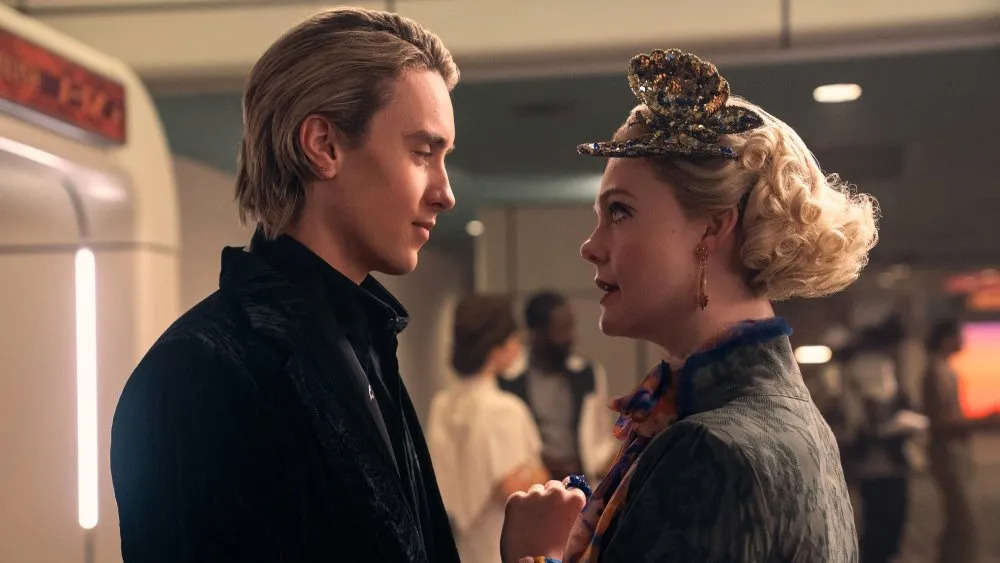
In the end, Sunrise on the Reaping is the most brutal look at the Hunger Games yet, providing valuable insight into Haymitch’s experience in the Games and bridging the gap to his adult life. It’s fast-paced and gripping from beginning to end, remaining just as engaging prior to the games as it is once we get in there. There’s engaging shades of rebellion, great dialogue and fast-paced action, making for a fun and emotionally impactful dystopian adventure, and one of the best Hunger Games films to date.
8/10


