
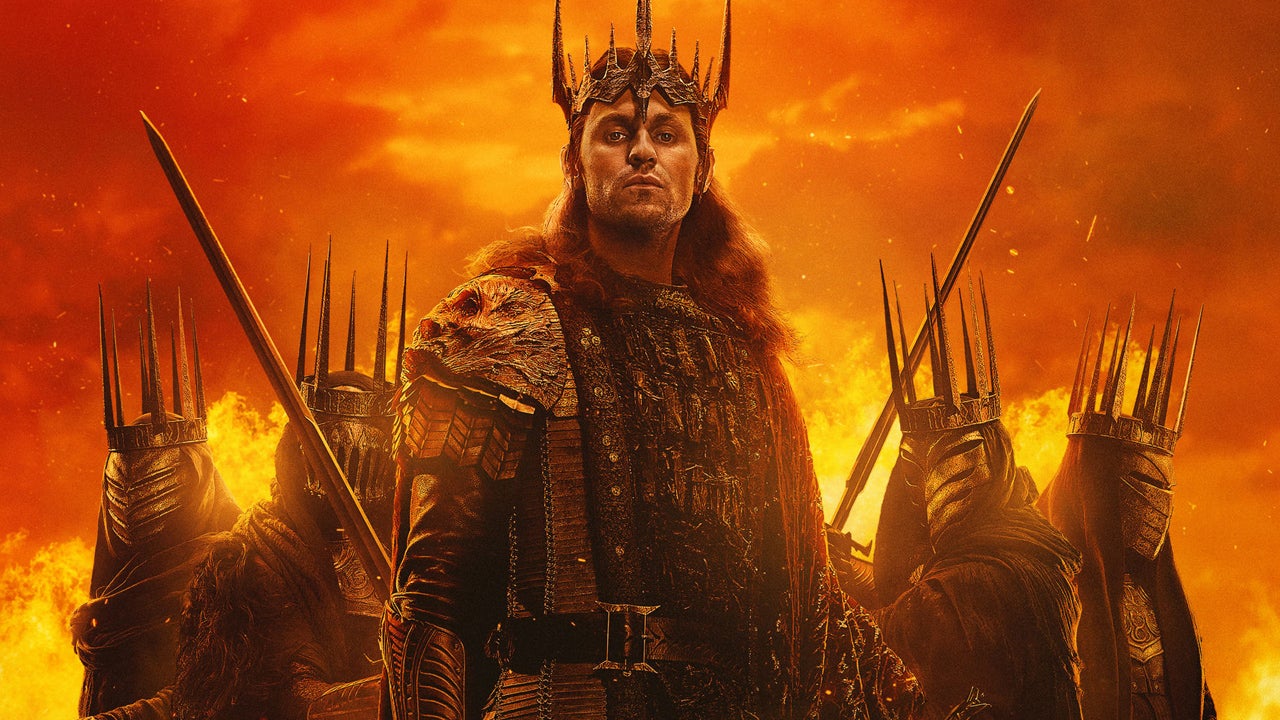
Following a five-year time jump, The Rings of Power returns with a focus on Sauron’s quest to forge the One Ring, while the rest of Middle-Earth attempts to unite against his growing forces. The scope, scale and action is all somewhat subdued and the bulk of the season feels like a setup for future seasons, yet there’s still drama aplenty.
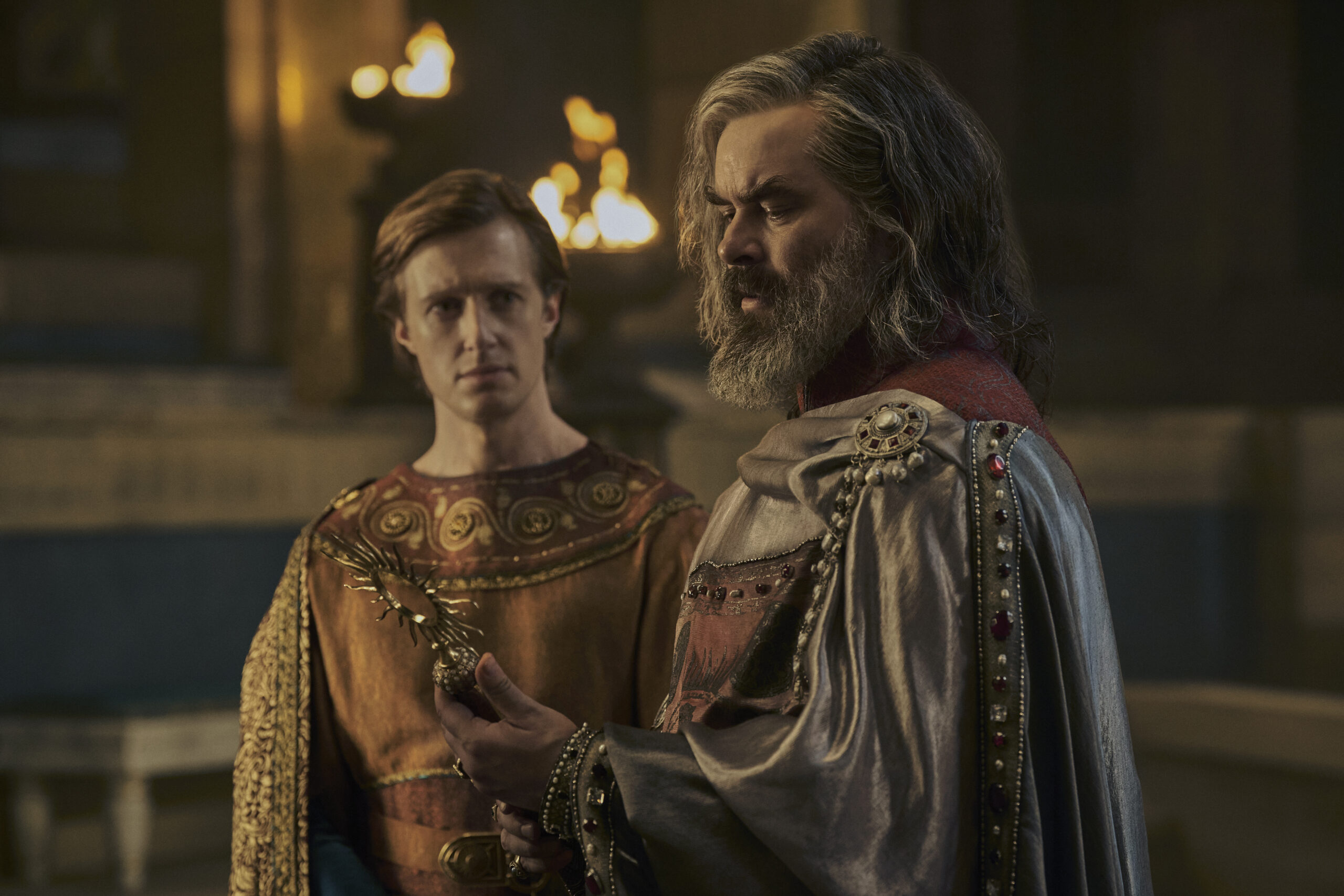
The Rings of Power entered this season off the back of a phenomenal sophomore season where there was still a lot of grand fantasy spectacle but also a deeper focus on character. Rather than building on that momentum, the five-year time jump forces a soft reset of sorts, with the first episode needing to re-establish where every character is now. The time jump makes sense for some arcs more than others; with its inclusion necessary only really to sell Sauron’s struggles with forging a more powerful ring. Whereas for some arcs, like Gandalf’s journey, so little has changed in five years that it’s almost stranger to imagine there’s such a large break in time than no time jump at all. Amongst all of the new narrative changes, the Harfoots (including Elanor) have been dropped from the series because their story is almost entirely inconsequential to the forging of the ring and the impending war. As a result the first couple of episodes are a little slower than I’d like for what promises to be such a big season.
From there the narrative ramps up, with each episode picking up both in pace and quality as it builds towards the ever-growing threat of Sauron both in and out of Mordor. As it builds with the occasional glimmer of hope, there’s a more dire outlook sweeping over Middle-Earth that plagues every single arc. This enhances tension while slowly getting closer to the narrative quality, style and tone of the original trilogy. It’s not as epic as season one or two, which I’ll expand on later, but it does a lot in the realm of character development to push their arcs forward and maintain excitement for what’s to come. It consistently had me excited to hit next episode, which begs the question why they decided to release the episodes in chunks as opposed to weekly. I guess this season is slower and without as many action set-pieces as in prior seasons, so perhaps they tried to avoid some individual episodes feeling anticlimactic and breaking it up at its most exciting cliffhangers.
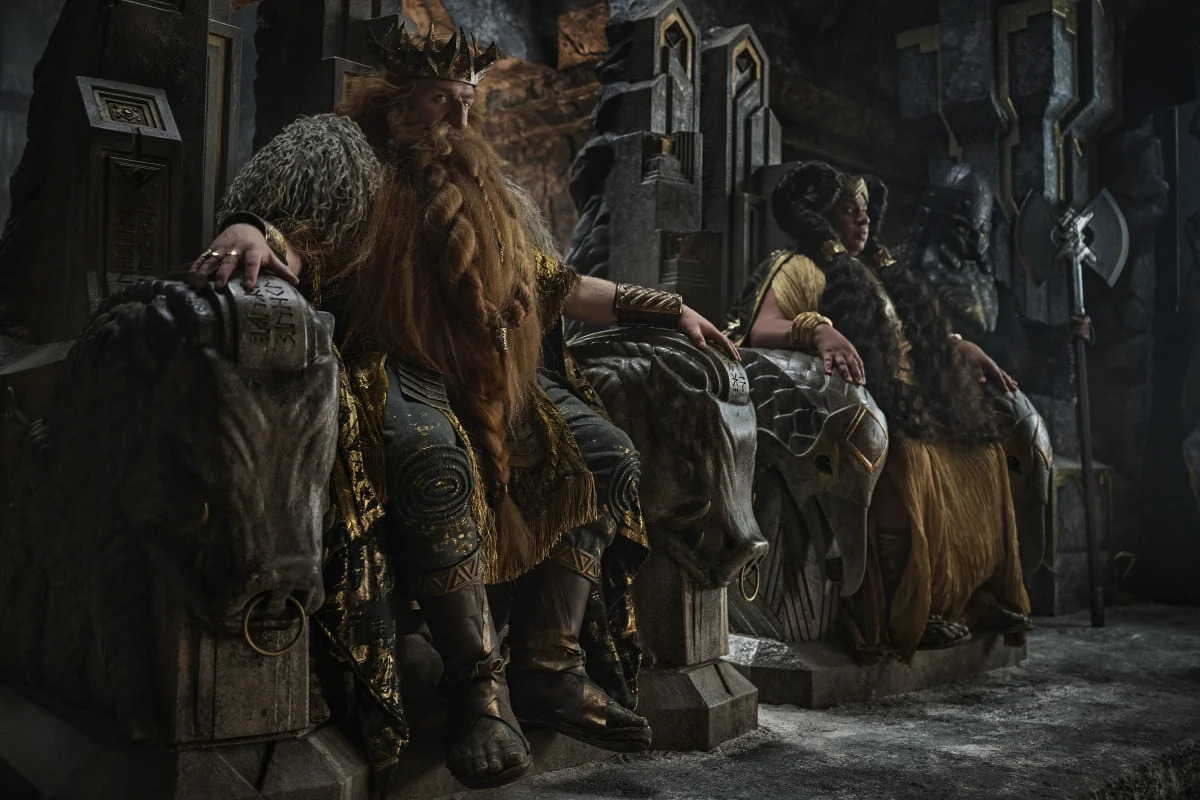
Once the season finds its footing, it’s grand and exciting right through to the finale, with almost every arc delivering the goods. This is Sauron’s season; he’s been a focus of the entire show, but I feel this season has him even more in the spotlight as he’s no longer required to disguise himself. Every second he’s on screen is thrilling and tense, with Charlie Vickers delivering his best and most chilling performance yet. Everything going on in Númenor is riveting; it’s a bit more of a political thriller vibe with shades of espionage, yet it works in this universe. The Khazad-dûm setting has its ups and downs but is largely strong and impactful in reflecting the scope of Sauron’s influence. Galadriel’s arc is also very exciting; sending her across Middle-Earth on a few wild goose chases, all of which have great consequences and lead to highlight moments. Then there’s Gandalf’s arc which is very thin, uneventful and to be honest could have been dropped along with the Harfoots. I understand why it wasn’t, as there’s one moment that needs to happen in this season, but aside from some intriguing lore it’s the definitive lowlight of the season.
All of this builds towards an exceptional penultimate episode that’s then let down by a subpar finale that weakens the entire season a tad in hindsight. Story-wise, the events that happen need to happen because that’s how it’s written by Tolkien, but I’d argue that it just doesn’t make for an exciting climax to everything prior. The penultimate episode should be and IS the most grand and epic of the season, but the finale should complement that and end on a high, but it falters. There’s some tense and riveting moments, but overall the pace is slowed and the payoff of some season-long development isn’t there. Granted that payoff will come later, but as far as momentum goes it didn’t work quite as well.
This franchise is known for its battles and action set-pieces both big and small. Season three’s action is great but is on a much smaller scale than both seasons so far and it almost does a disservice to the weight of everything happening on screen. There’s exciting action moment and very cool fights for sure, but not a single standout battle or action sequence that’s indicative of the impact left by this season. The lack of large action sequences is offset by the quality of the storytelling and character development, so it’s not entirely a negative. Plus, I understand their hands are tied because you can’t have a battle against Sauron to the scale of the War of the Last Alliance, but part of me wishes there was something in there.
From the standpoint of cinematography and visual effects, this season is exceptional once again. Every cent of its budget is evident in the cinematic feel granted to every sequence. The sweeping visuals of Mordor successfully paint a daunting picture of what’s in store for Middle-Earth. The other landscapes are also captured in a beautiful manner, whether it be Númenor, Lindon or Khazad-dûm. The knowledge that this is filmed is a UK is slightly more obvious in this season, but that may also be because I’m conscious of the shift.
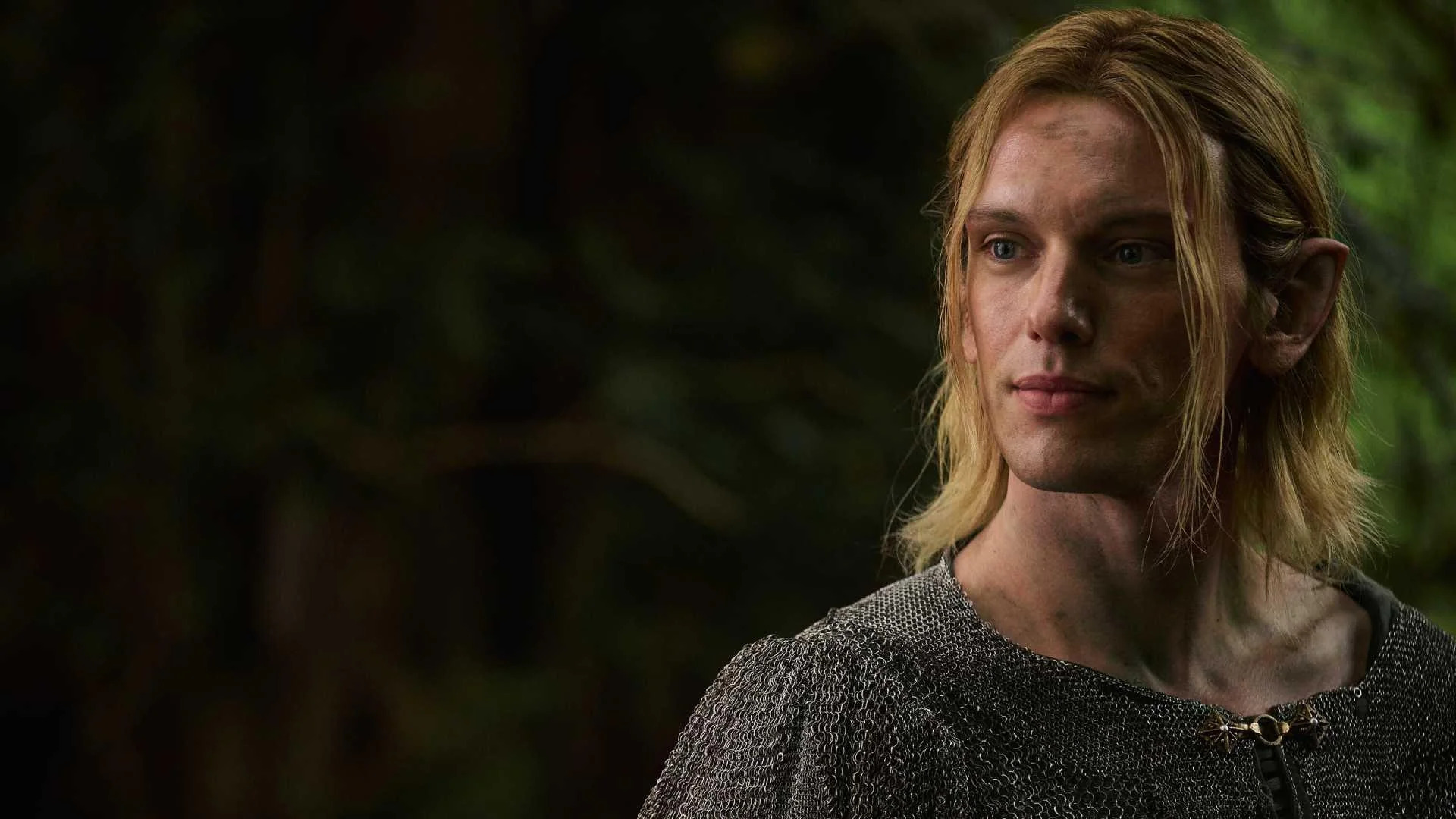
This season sees the absence of two of last season’s best performances, including Charles Edwards’ Celebrimbor, but brings in new blood to fill some of that gap. Charlie Vickers is stellar in every single scene of this season. Season two allowed him to flex some of Sauron’s evil, manipulative strength, but he’s now able to delve fully into the Dark Lord’s character and let the extent of his evil show. Morfydd Clark is once again great as Galadriel, but she doesn’t really have Robert Aramayo’s Elrond by her side to bounce off for the duration of the season. Speaking of, Aramayo’s role isn’t as prominent this time around which is a slight shame. Jamie Campbell Bower joins the cast as Celeborn and is incredibly well cast, delivering an immediately memorable and impactful performance.
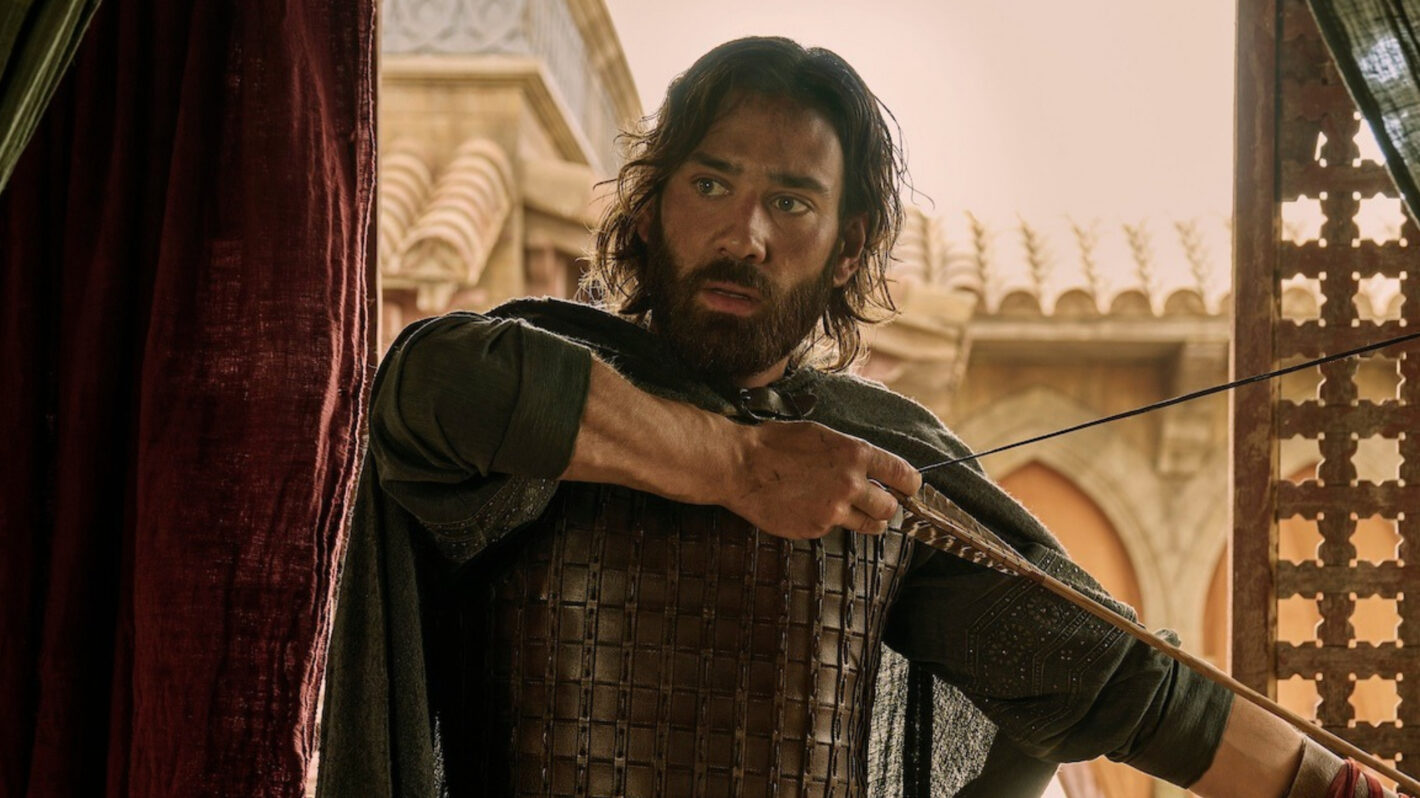
In the end, The Lord of the Rings: The Rings of Power delivers its weakest season yet, but that shouldn’t be confused with it being bad. There’s some stellar storytelling across the majority of its arcs, with only the Gandalf corner of the narrative offering very little. Despite a slow start and a lacklustre finale, the content in the middle of the season is some of the series’ best content. The character development is wonderful and the gradual building towards the War of the Last Alliance, something that will take another two seasons to see to fruition, makes for a thrilling, exciting ride. This season continues fine-tuning the series into feeling as close to the films as it can get, with my one gripe being the noticeable lack of action. That absence is disappointing but not criminally detrimental to the overall experience.
9/10


